
Retail Roofing in Lexington, KY from Commercial Roofing of Lexington.
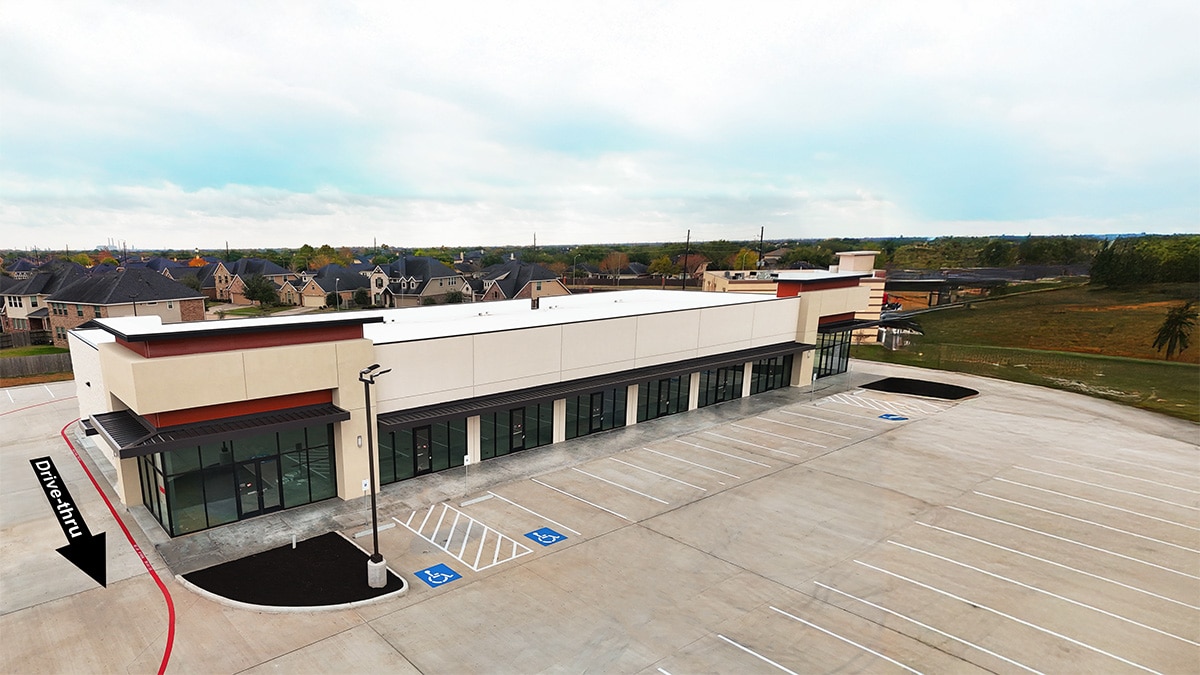
Lexington's retail sector stretches across a patchwork of strip malls, regional shopping centers, and freestanding big-box stores that have grown up alongside the city's expanding horse country suburbs. From the dense commercial corridors along Richmond Road and Nicholasville Road to the sprawling clusters near Fayette Mall, retail property owners in Lexington face flat and low-slope roofing systems that demand serious attention. The Bluegrass State's weather brings freeze-thaw cycling every winter, thunderstorm seasons that drop significant rainfall in short bursts, and summer humidity that accelerates the degradation of aging roofing membranes. A sound commercial roofing strategy isn't optional, it's the foundation of protecting tenant leases and maintaining the property values that make Lexington retail assets worth holding.
TPO membrane systems have become the standard choice for Lexington strip malls and shopping plazas, and for good reason. A 60-mil heat-welded TPO installation offers excellent resistance to the standing water that accumulates on large flat roofs during the heavy spring rains that roll through central Kentucky. Properly designed drainage, including interior drains sized for high-intensity rainfall events, keeps ponding water from stressing seams and penetrations. For retail corridors like those along Man O' War Boulevard, where multi-tenant strips share a continuous roofline, the ability to section off work areas and maintain tenant access during installation is a key operational consideration. Experienced Lexington roofers phase replacement projects to avoid forcing retail tenants to close during business hours, protecting both the landlord's lease obligations and the tenants' revenue.
HVAC penetrations are among the most demanding aspects of retail roofing in Lexington. Big-box anchors, grocery chains, and even mid-size inline tenants run rooftop units that require properly flashed curbs, equipment screens, and walkway pads. Every penetration that isn't maintained correctly becomes a potential leak source, and in a multi-tenant environment a single leak can trigger CAM disputes and tenant complaints that cost far more to resolve than the underlying repair. Commercial roofing contractors working on Lexington retail properties should conduct a full penetration audit before any new membrane installation, confirming that curb heights meet current standards and that condensate lines are properly directed away from the field membrane.
PVC roofing systems offer an alternative to TPO that appeals to certain Lexington retail operators, particularly for properties where chemical exposure from restaurant exhaust or dry-cleaning operations could degrade a standard TPO membrane. PVC's superior resistance to grease and certain solvents makes it the preferred choice for strip malls headlined by food-service tenants, a common configuration along the Tates Creek Road and Harrodsburg Road corridors where restaurant clusters have grown significantly. The higher upfront cost of PVC is typically offset by extended service life and reduced maintenance expenditure when the tenant mix includes heavy rooftop traffic and exhaust penetrations.
Lexington's CAM billing structure creates a direct financial incentive for retail landlords to invest in proactive roof maintenance. When roofing costs are passed through to tenants via common area maintenance charges, large unplanned repairs can trigger tenant complaints, lease renegotiations, and in some cases legal disputes. A documented preventive maintenance program, annual inspections, prompt repair of minor membrane damage, and timely recoating of aging systems, demonstrably reduces emergency repair costs and provides the paper trail that supports CAM billing transparency. Landlords managing properties in competitive Lexington retail corridors benefit from the professional credibility that comes with a maintained, warranted roofing system.
Anchor tenants in Lexington's larger shopping centers, including the regional draws near Hamburg Pavilion and the Fayette Mall perimeter, often impose their own brand standards on roofing systems. National retailers with prototype building specifications may require specific membrane colors, defined walkway pad layouts, and particular flashing details at parapet walls. Coordinating between the landlord's roofing contractor and the tenant's facilities team before work begins prevents costly rework and keeps project timelines intact. In cases where an anchor tenant is expanding or renovating their space, the roofing scope should be integrated into the overall project schedule to avoid sequencing conflicts with interior contractors.
Winter roofing work in Lexington requires careful attention to installation temperatures. TPO and PVC membrane welding requires ambient and substrate temperatures above specific thresholds, and Kentucky winters can drop below those limits for extended stretches from December through February. Contractors who cut corners on cold-weather welding produce weak seams that fail prematurely, leaving landlords with warranty claims and tenant disruption. Scheduling major roofing projects in the late summer and early fall window, after the peak summer heat but before the first cold snaps, gives Lexington retail property owners the best combination of favorable installation conditions and maximum lead time before winter precipitation season.
Drain maintenance is a frequently overlooked but critical component of retail roof performance in Lexington. Large flat roofs with multiple interior drains accumulate debris from seasonal leaf fall, HVAC filters, and general rooftop litter. Blocked drains create ponding conditions that accelerate membrane aging, stress structural decking, and in severe cases can exceed the design load of the roof system. A twice-yearly drain cleaning program, timed around the spring storm season and autumn leaf fall, keeps drainage functioning as designed. For shopping center properties where a single interconnected roof deck covers multiple tenant spaces, the consequences of drainage failure extend across several leases simultaneously, making regular maintenance a shared priority.
Lexington's retail real estate market continues to attract national investment, and a well-documented roofing system is an asset during property transactions and lease renewals. Buyers and tenants conducting due diligence increasingly request roofing inspection reports, remaining warranty documentation, and maintenance records. Landlords who can produce a clean roofing history, recent third-party inspection, active manufacturer warranty, and a log of completed maintenance, command stronger lease rates and encounter fewer surprises in transaction due diligence. Partnering with a qualified Lexington commercial roofing contractor who maintains thorough documentation on every project is an investment that pays dividends well beyond the initial installation.
- How do Lexington's freeze-thaw cycles affect retail roofing systems?
- Repeated freezing and thawing causes expansion and contraction in roofing membranes, flashings, and penetration details, which can open seams and create leak pathways over time. In Lexington, this cycling is most pronounced from November through March, making fall inspection and repair a critical maintenance window. TPO and PVC membranes with properly heat-welded seams hold up to freeze-thaw stress far better than older built-up or modified bitumen systems.
- What's the best roofing system for a Lexington strip mall with restaurant tenants?
- PVC membrane systems are generally preferred when the tenant mix includes restaurants or food-service operations, because PVC resists the cooking grease and exhaust deposits that degrade standard TPO membranes over time. Proper flashing and curb heights at exhaust penetrations are equally important to prevent grease from migrating under membrane edges. A roofing contractor experienced with Lexington food-service retail can specify the right system and detail each penetration correctly.
- How should Lexington landlords handle roofing costs in CAM charges?
- Most Lexington retail leases allow landlords to pass through routine roofing maintenance and repair costs as CAM expenses, while capital replacement is typically amortized over the useful life of the new system. Maintaining clear documentation of all roofing expenditures, invoices, inspection reports, and warranty certificates, supports accurate and defensible CAM billing. Tenants are less likely to dispute charges when records demonstrate that costs reflect legitimate, well-maintained work.
- Can a Lexington retail roof be replaced while tenants remain open?
- Yes, phased replacement projects are standard practice on occupied Lexington retail properties. Experienced contractors section the work area with temporary containment, schedule noisy phases like tear-off and welding outside peak retail hours, and maintain pedestrian safety around building entrances throughout the project. Proper planning and tenant communication before work begins minimizes disruption and keeps lease relationships intact.
- What roofing warranty should Lexington retail property owners expect?
- Manufacturer-backed NDL (no-dollar-limit) warranties covering both materials and labor are the standard for new TPO and PVC installations on Lexington retail properties, typically available in 15- or 20-year terms. These warranties require installation by a certified contractor and a pre-completion inspection by the manufacturer's representative. Maintaining the warranty in force requires prompt repair of any damage and annual maintenance documentation submitted to the manufacturer.