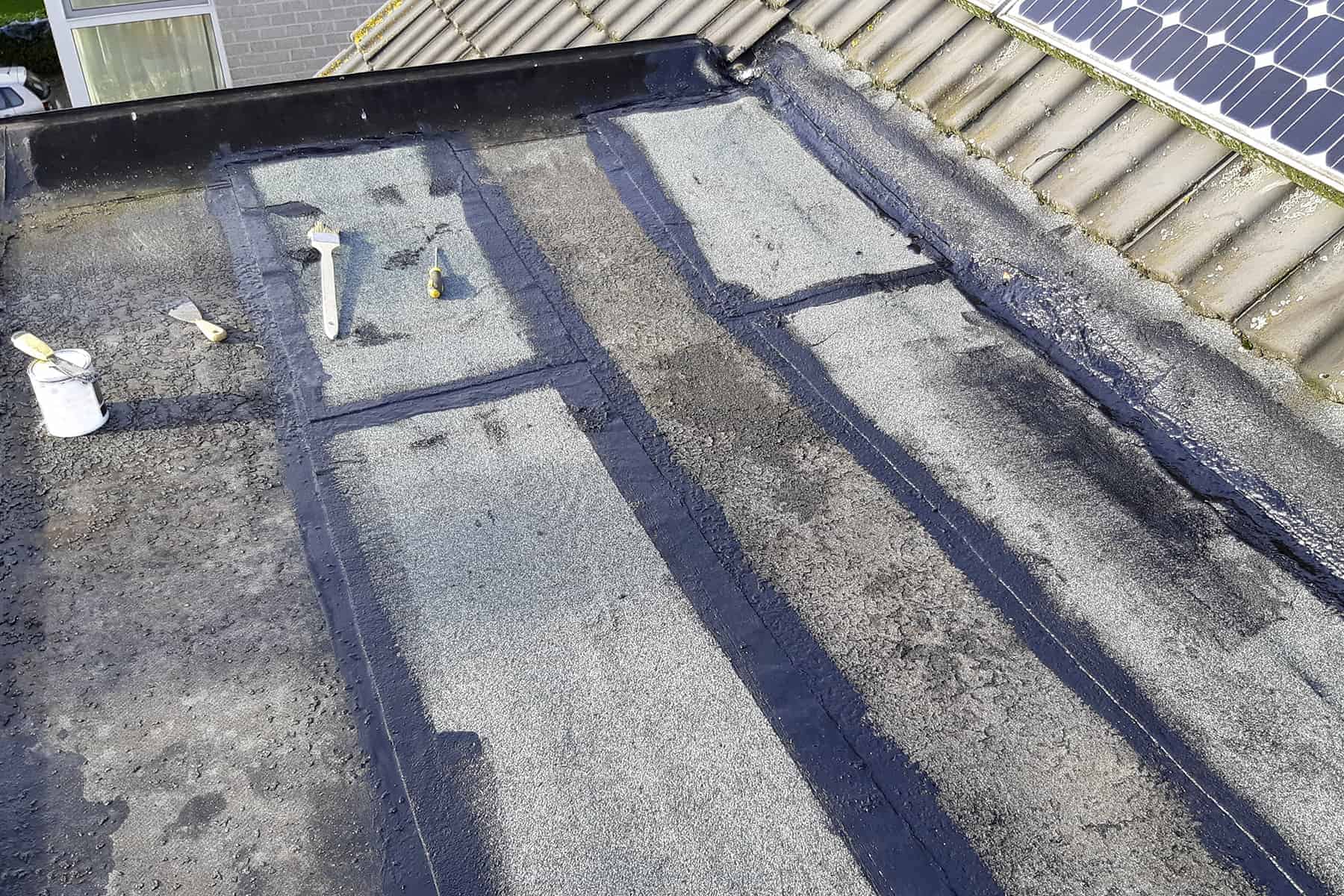
Finding where a leak truly enters takes tracing water back from the stain to the failed detail, so we isolate the bad flashing, seam, or penetration and repair it instead of chasing the drip with sealant.
View Scope
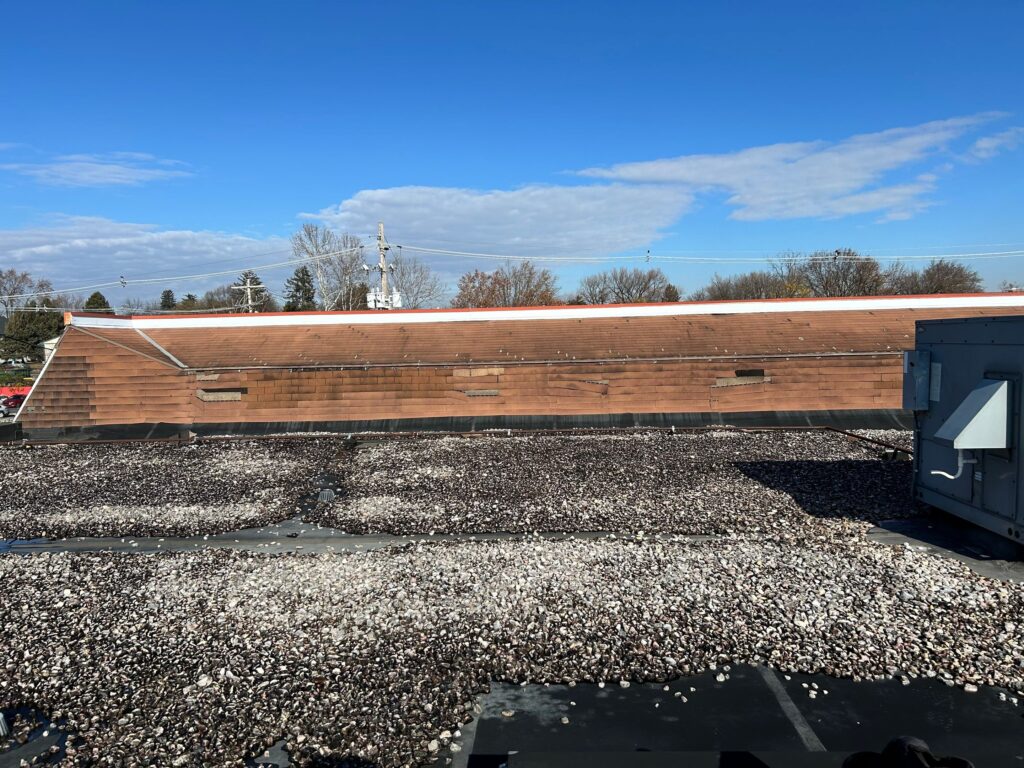
When wind-driven rain forces water under laps and flashings during a storm, we get a fast, secure dry-in down to stop interior damage, then return to repair the terminations the storm exposed.
View Scope
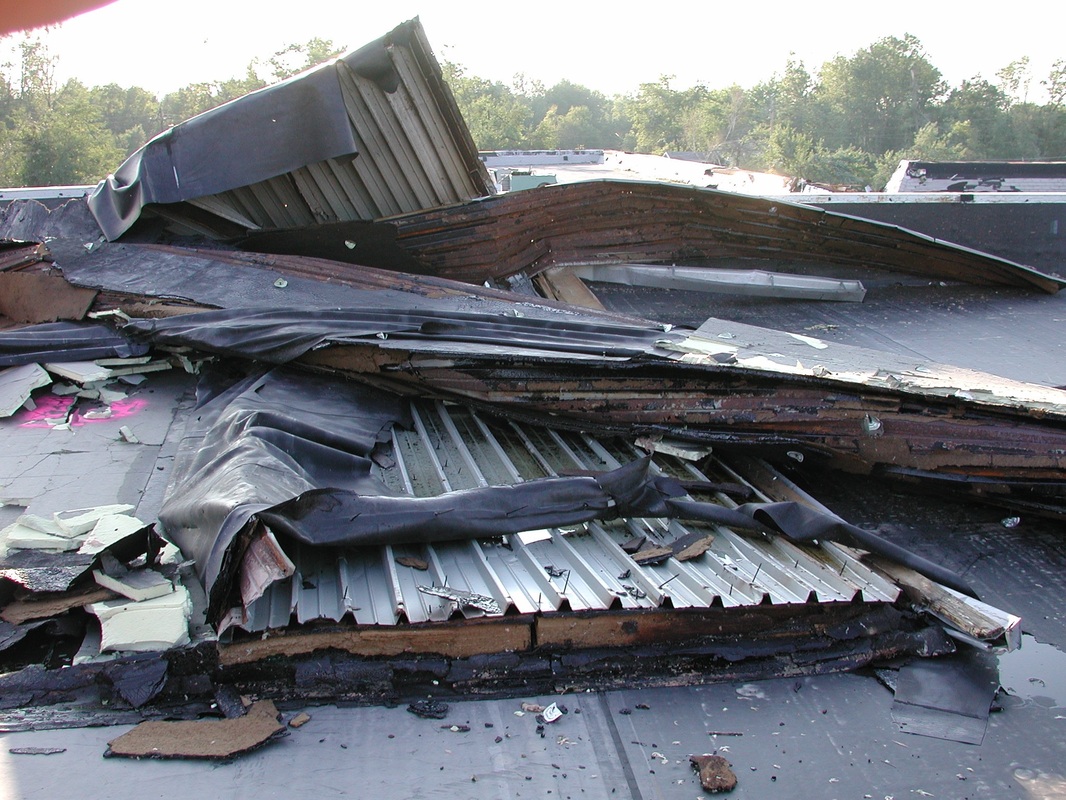
A roof emergency over a working Lexington business can't wait, so we respond fast to stabilize the damage, dry the building in, and stop the water before it reaches inventory, equipment, or the floor below.
View Scope
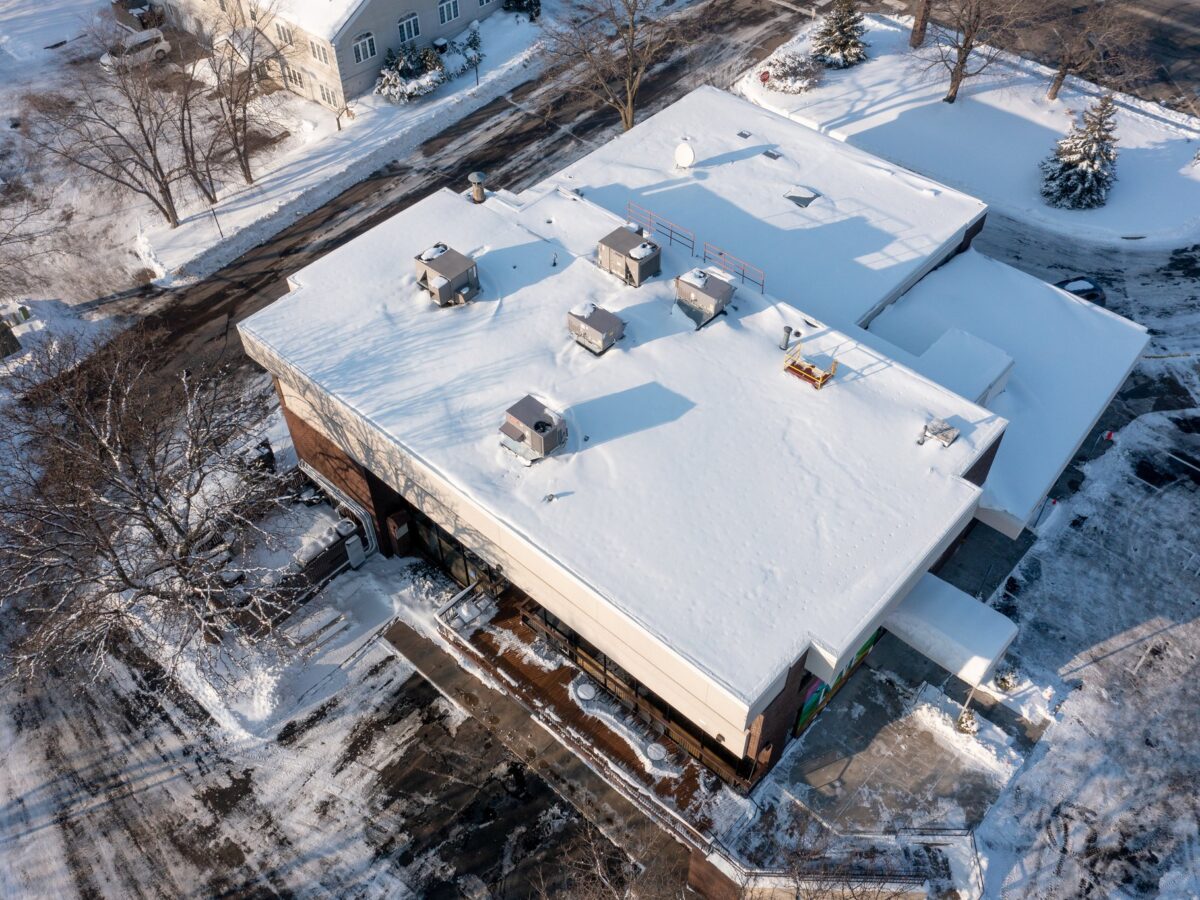
Kentucky's repeated freeze-thaw cycles pry open seams, crack flashings, and split aging membranes as trapped water expands, so we find and repair the cold-driven failures before they widen into winter leaks.
View Scope
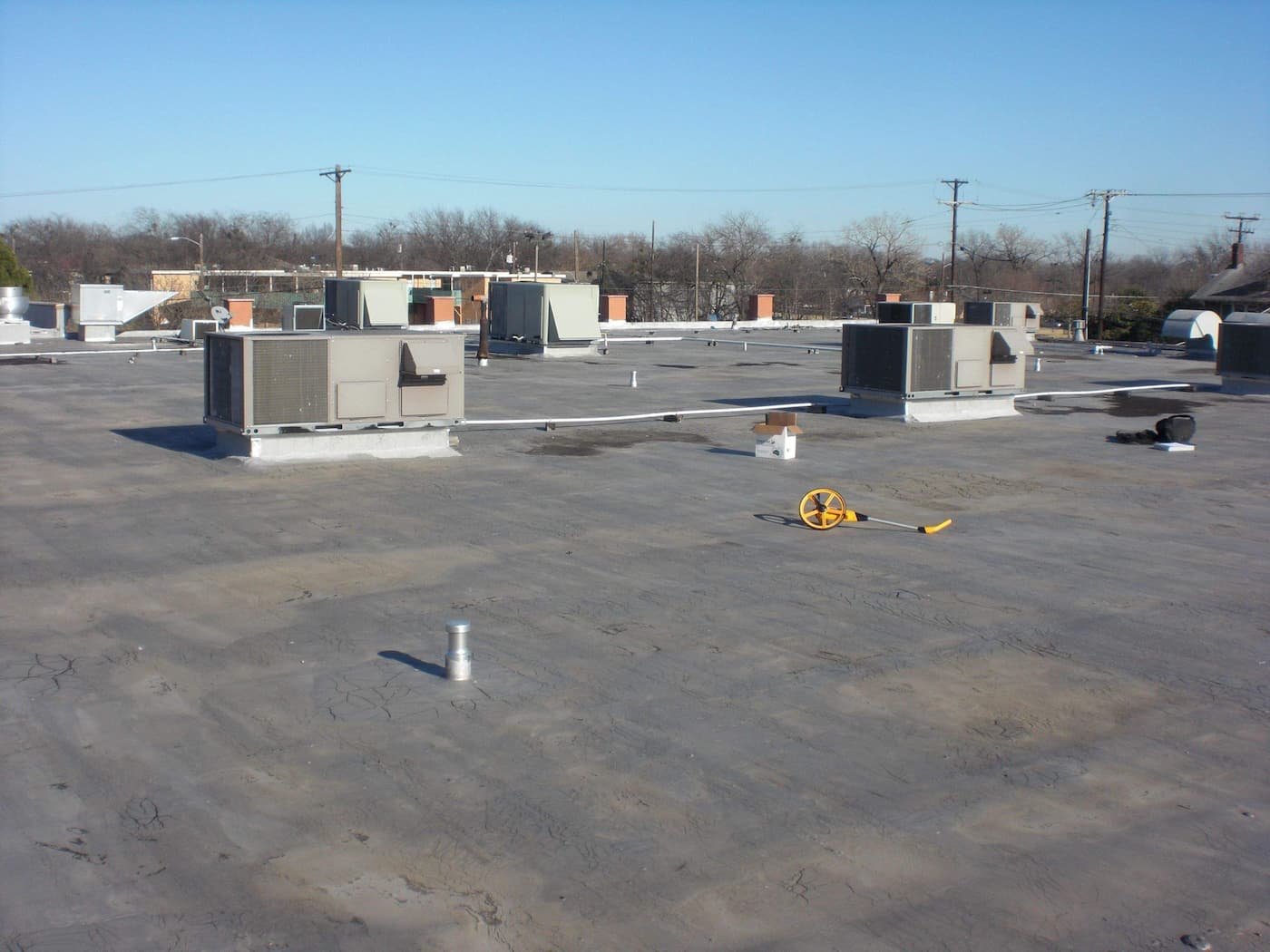
Bluegrass hail bruises membranes and dents metal in ways that leak later, so we document each impact for your insurer and repair the fractured field and flashings before the next storm finds the weak spots.
View Scope
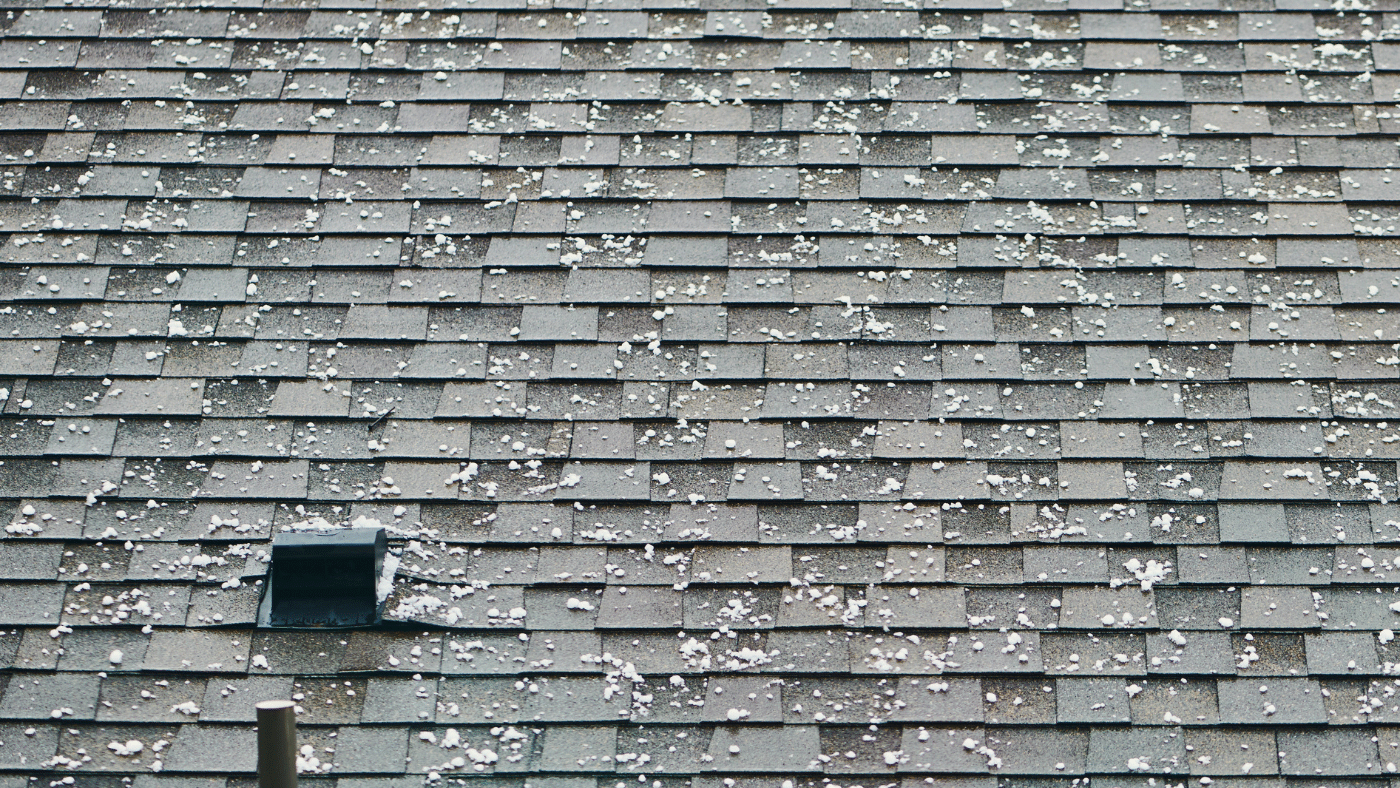
Hail often splits a seam without an obvious hole, so we probe and investigate the welded laps after a Lexington storm to find the hidden seam fractures that turn into slow, damaging leaks weeks afterward.
View Scope
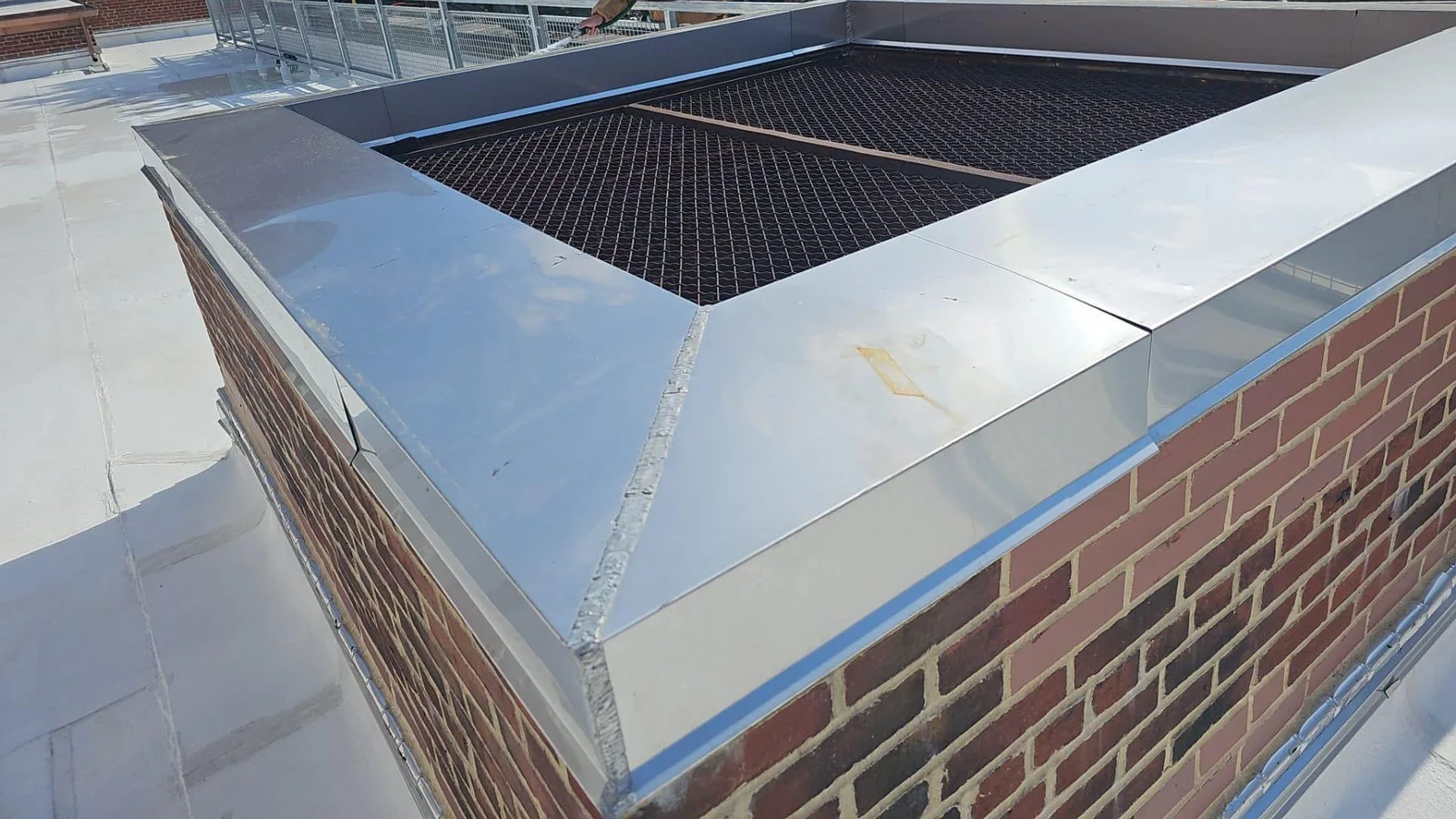
Wind grabs a roof at its perimeter first, so after a Kentucky gust front we rebuild the lifted coping, fascia, and edge metal that, once loosened, let water and the next wind get behind the membrane.
View Scope
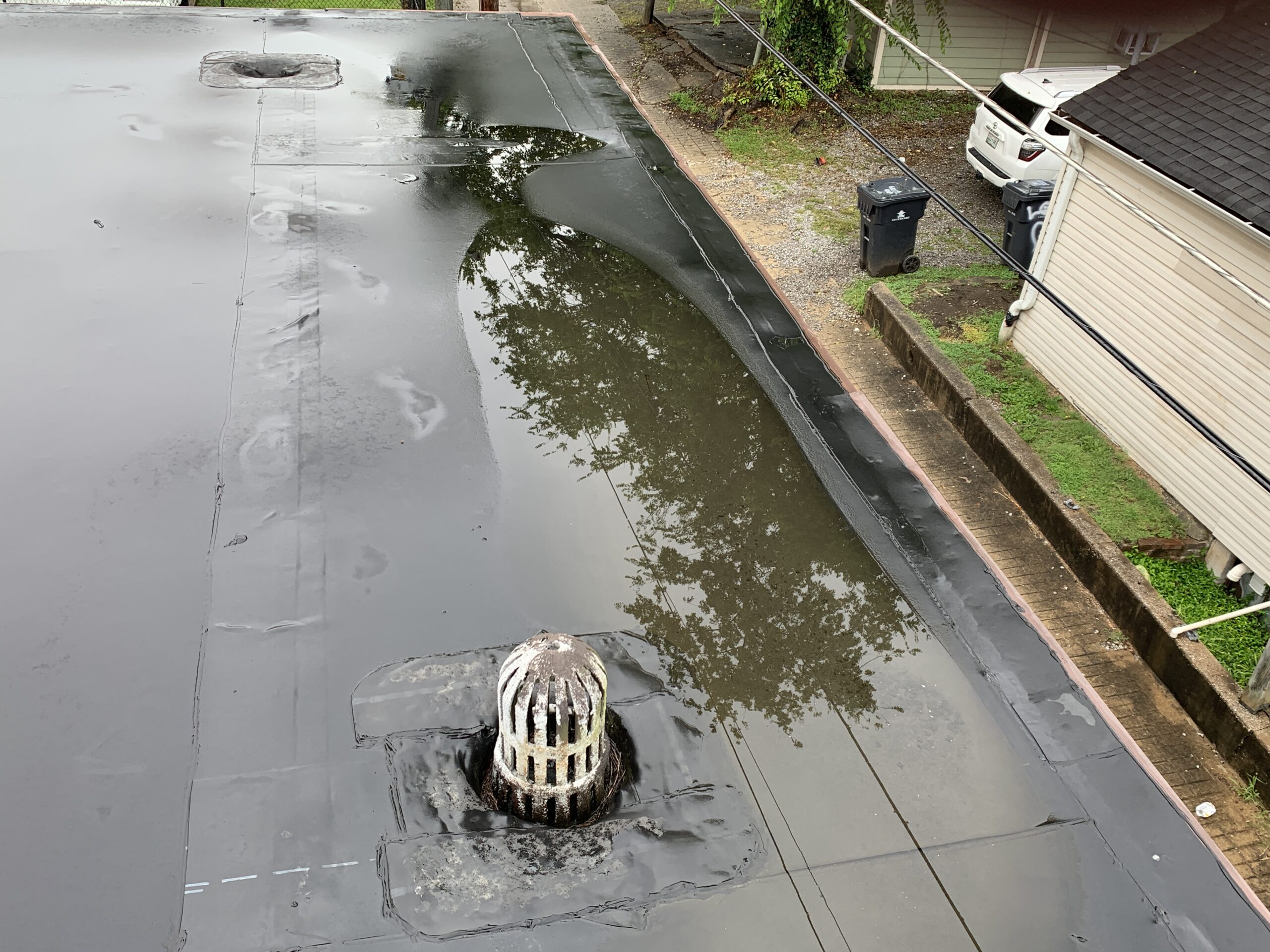
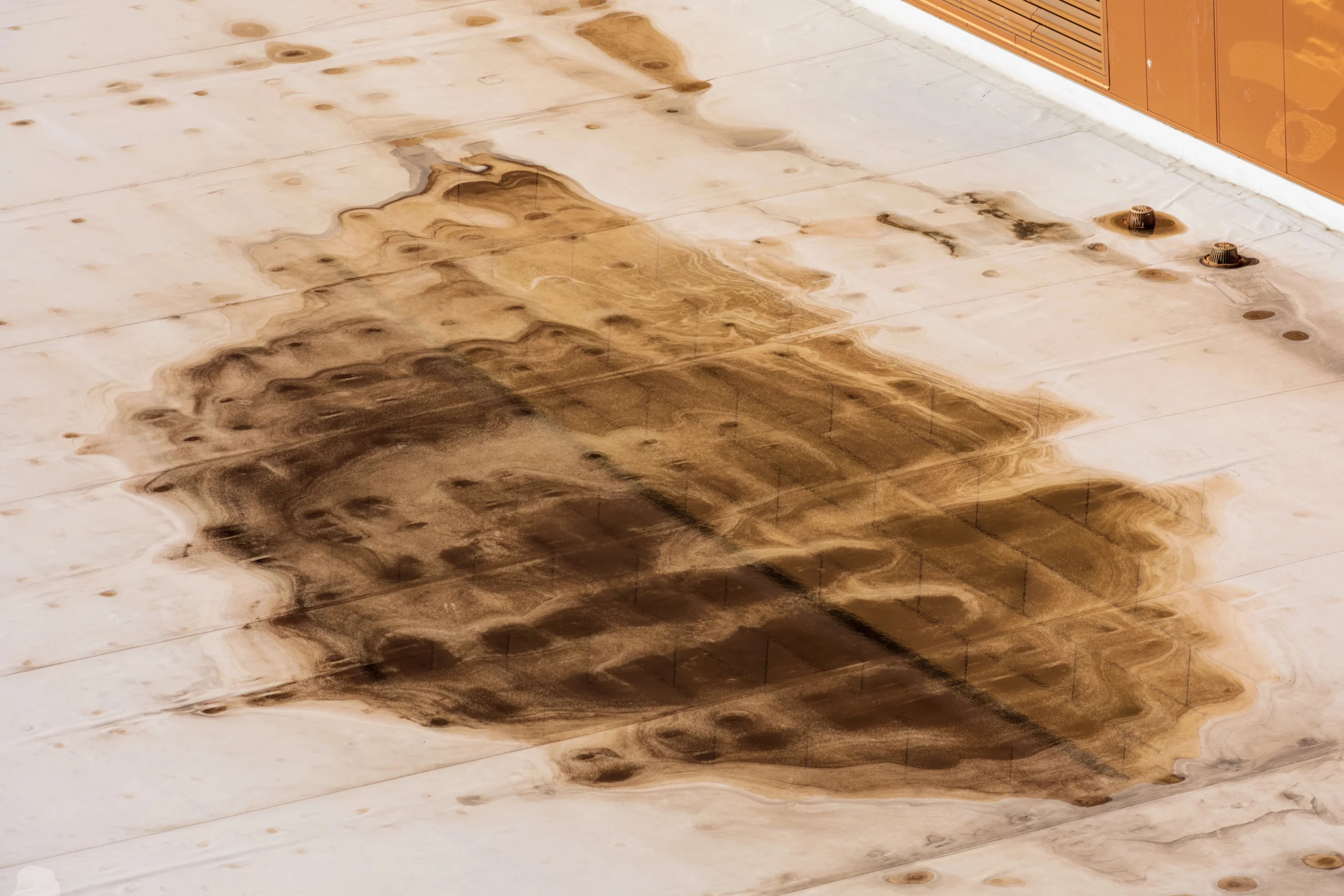
Standing water that lingers after Lexington's heavy rains loads the deck and degrades the membrane, so we correct the drainage, add crickets, and reseal the low spots where ponding eventually forces water through.
View Scope
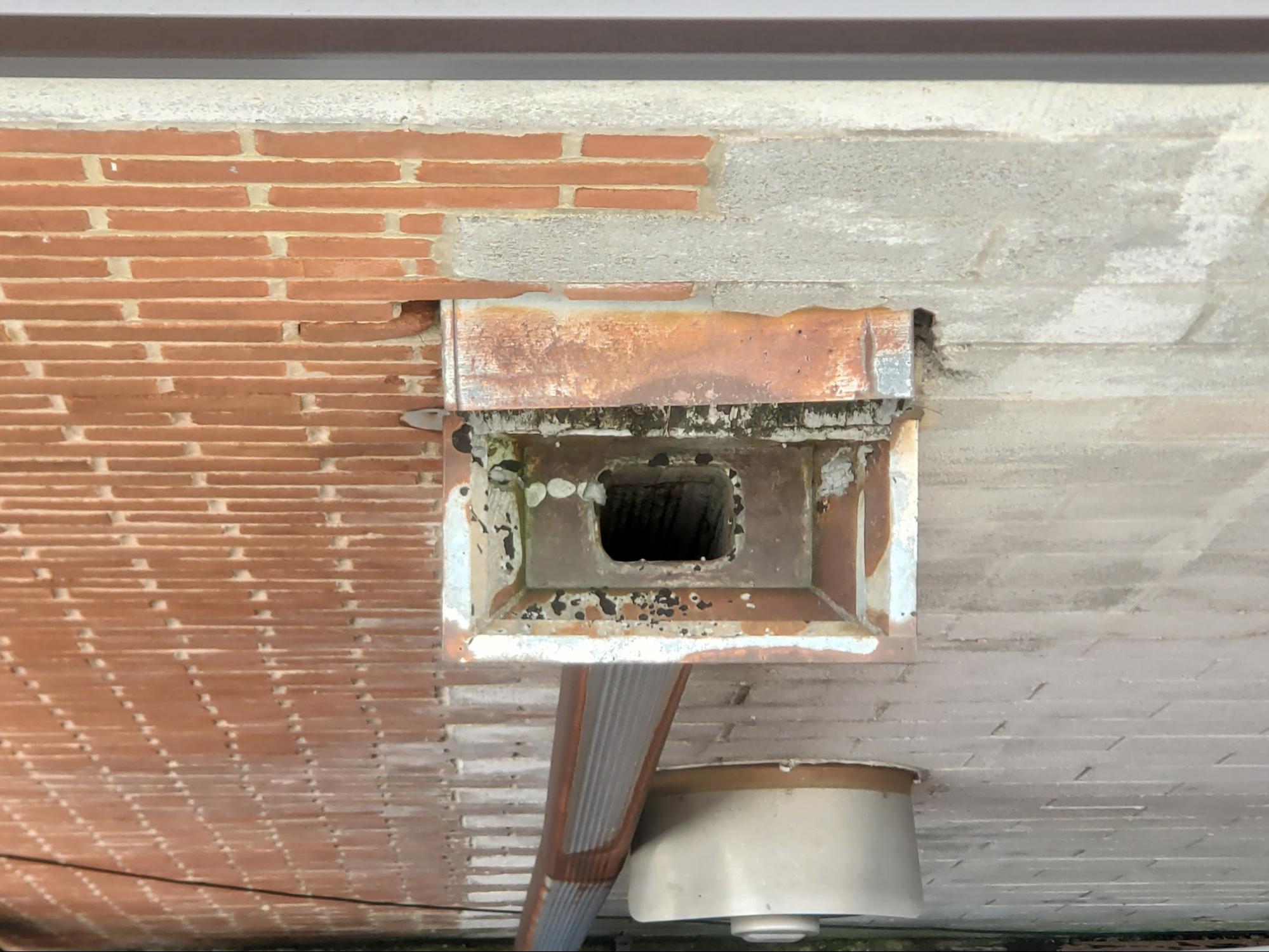
Blocked or failing drains and scuppers back water onto flat Lexington roofs, so we clear, reseal, and rebuild these outlets to move the region's heavy spring runoff off the roof before it ponds and leaks.
View Scope
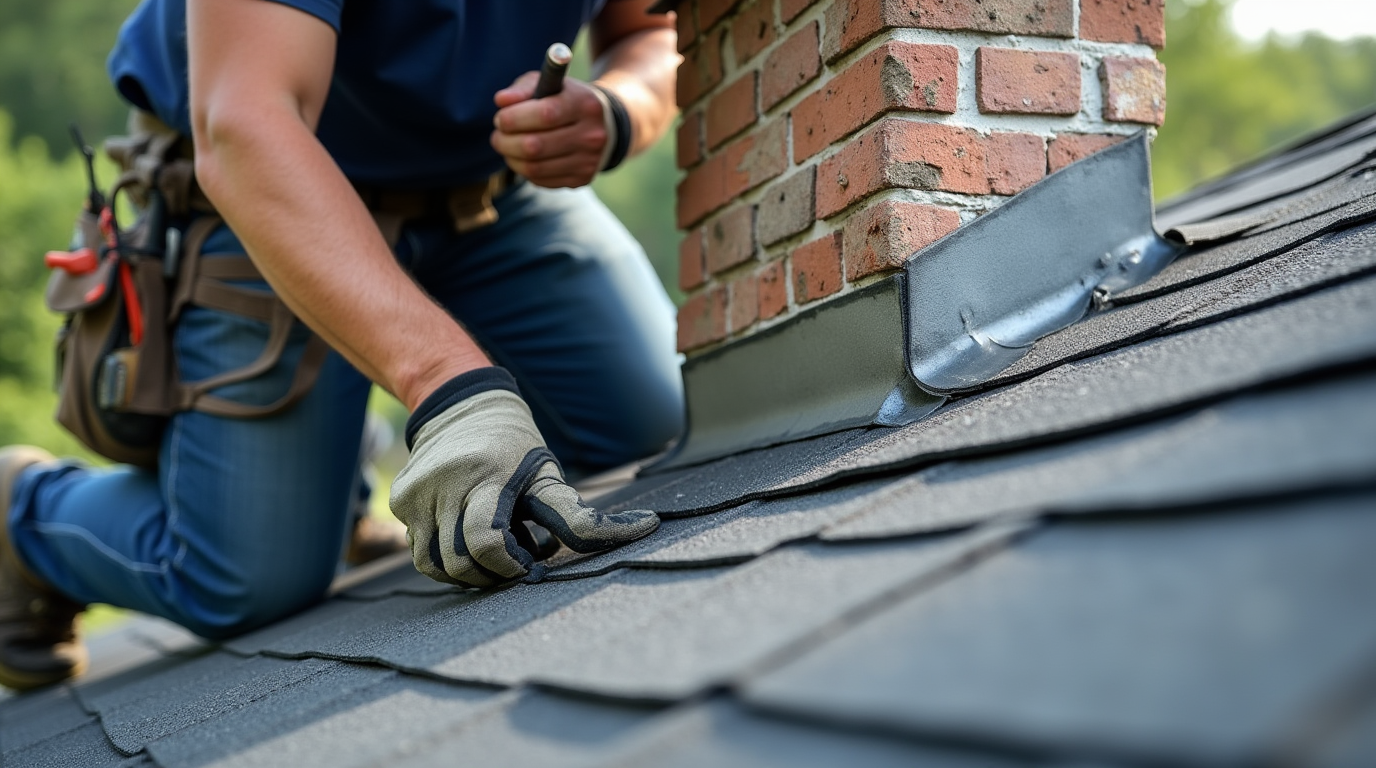
Flashings at walls, curbs, and penetrations are where most roofs leak first, so we rebuild the failed metal and membrane terminations on Lexington roofs to stop water at the detail rather than inside the building.
View Scope
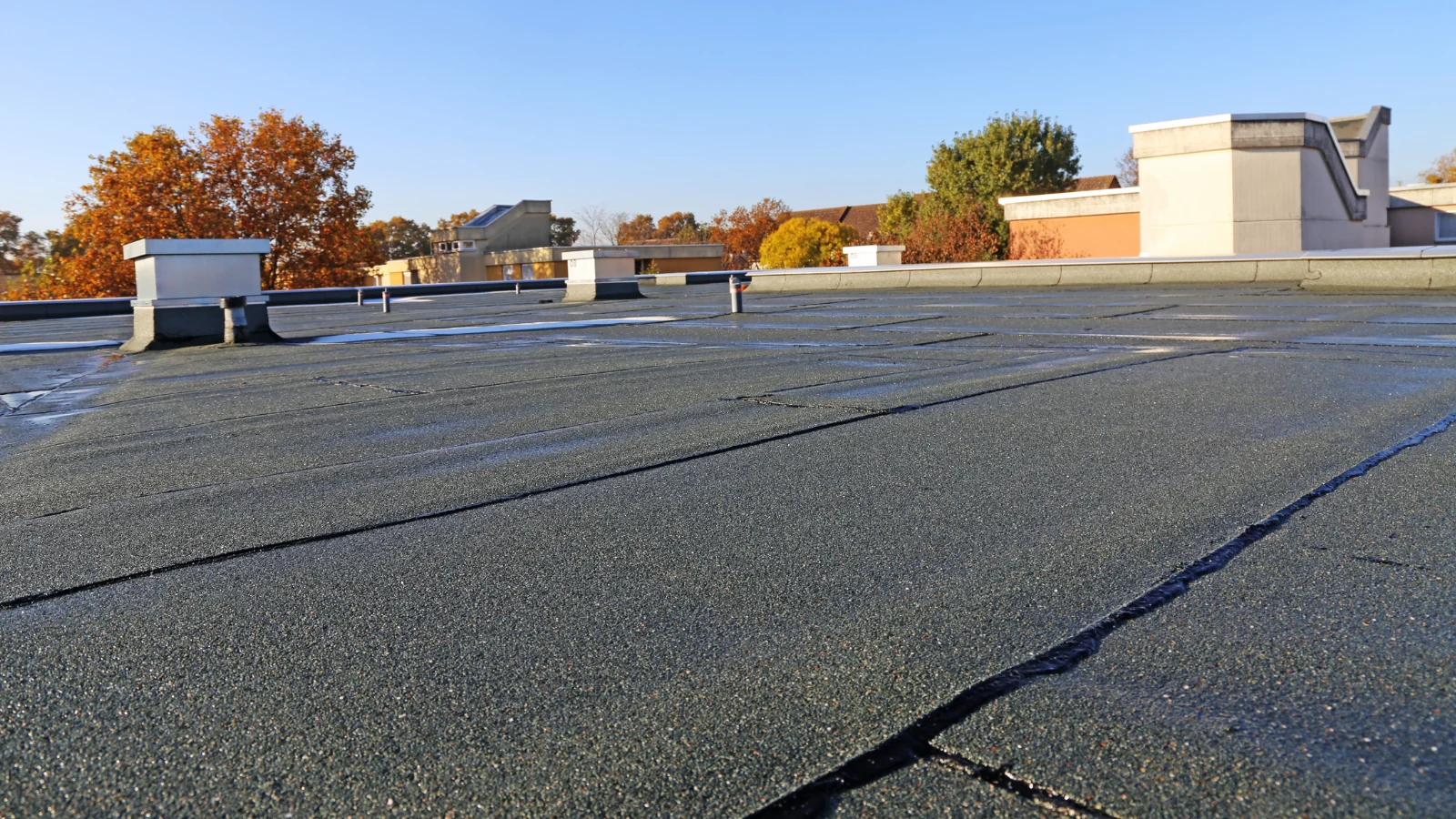
A torn membrane lets water straight into the assembly, so we clean, patch, and weld tears in Lexington single-ply roofs back to full integrity before moisture spreads through the insulation beneath.
View Scope
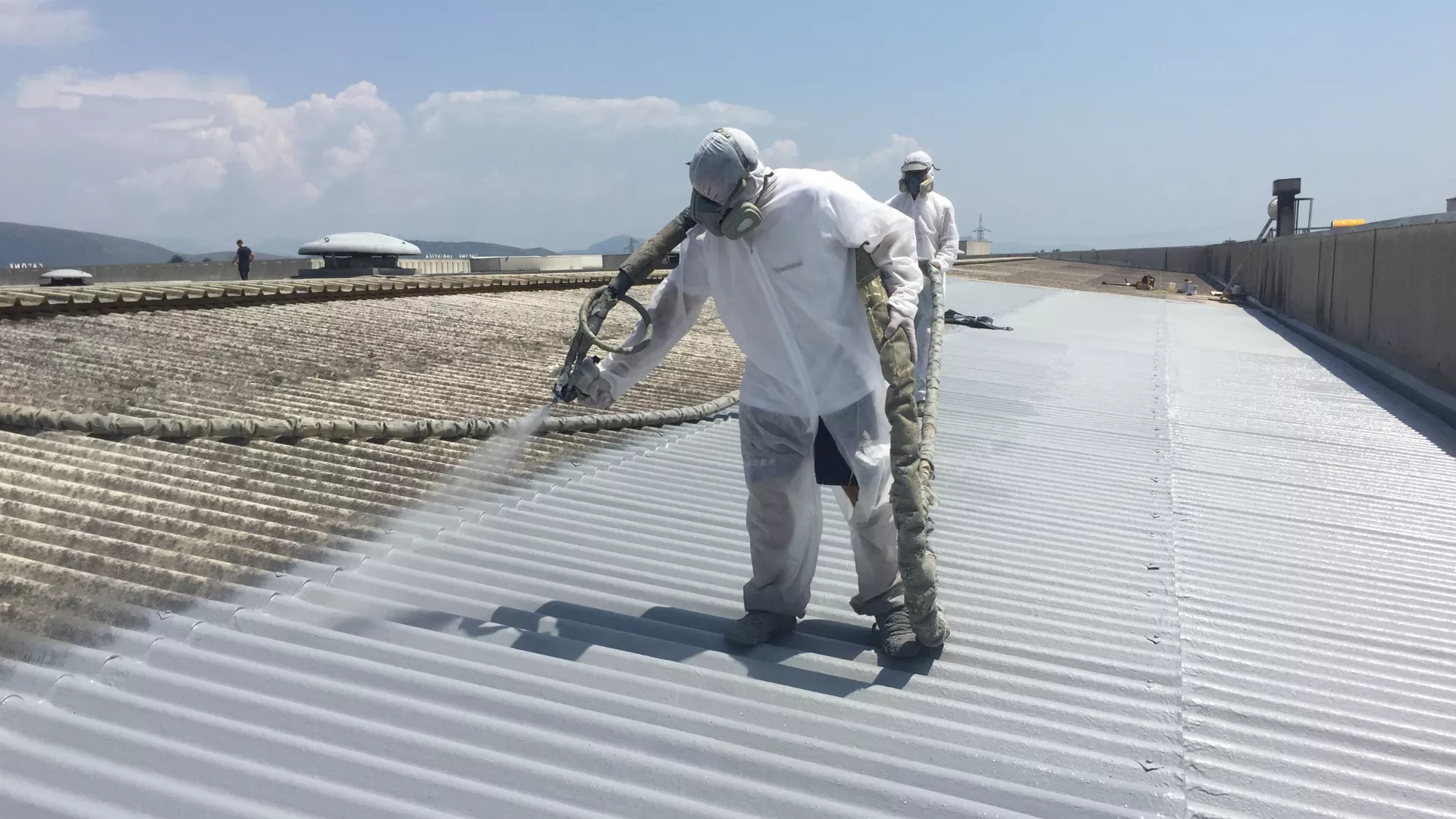
Dropped tools, foot traffic, and storm debris puncture membranes around rooftop equipment, so we locate and properly patch these breaches on Lexington roofs before water tracks laterally and surfaces far away.
View Scope
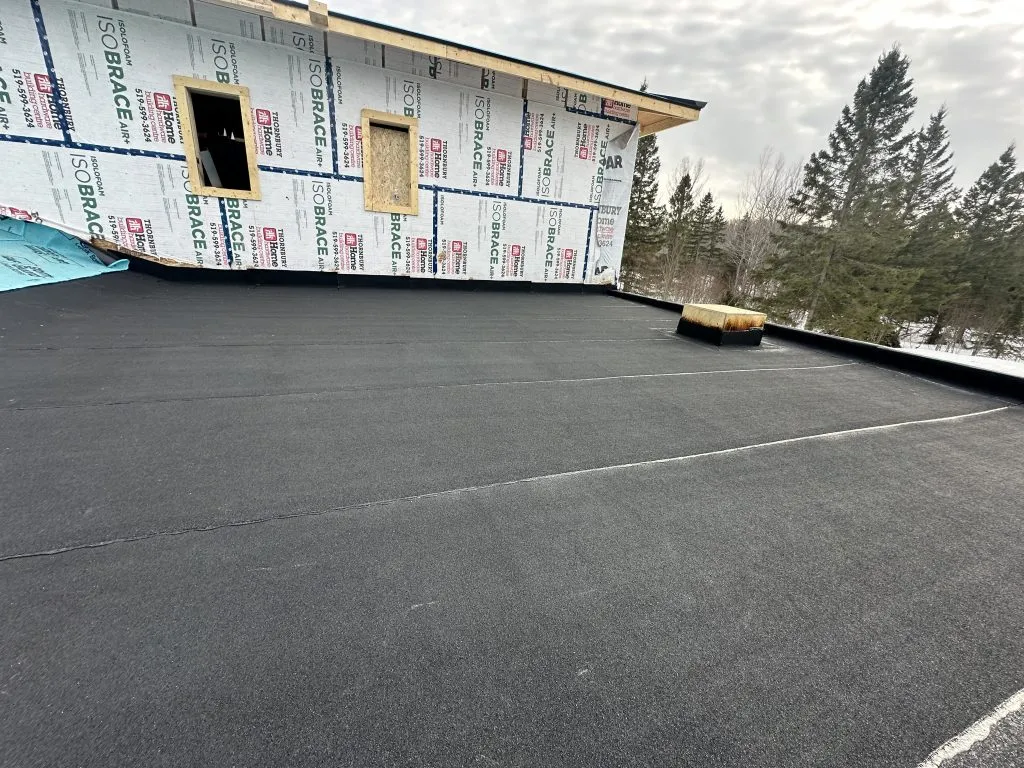
Seams are the weakest line on any single-ply roof, so when welds or adhesive let go on a Lexington membrane we re-weld and reinforce the laps to restore a continuous, watertight surface.
View Scope
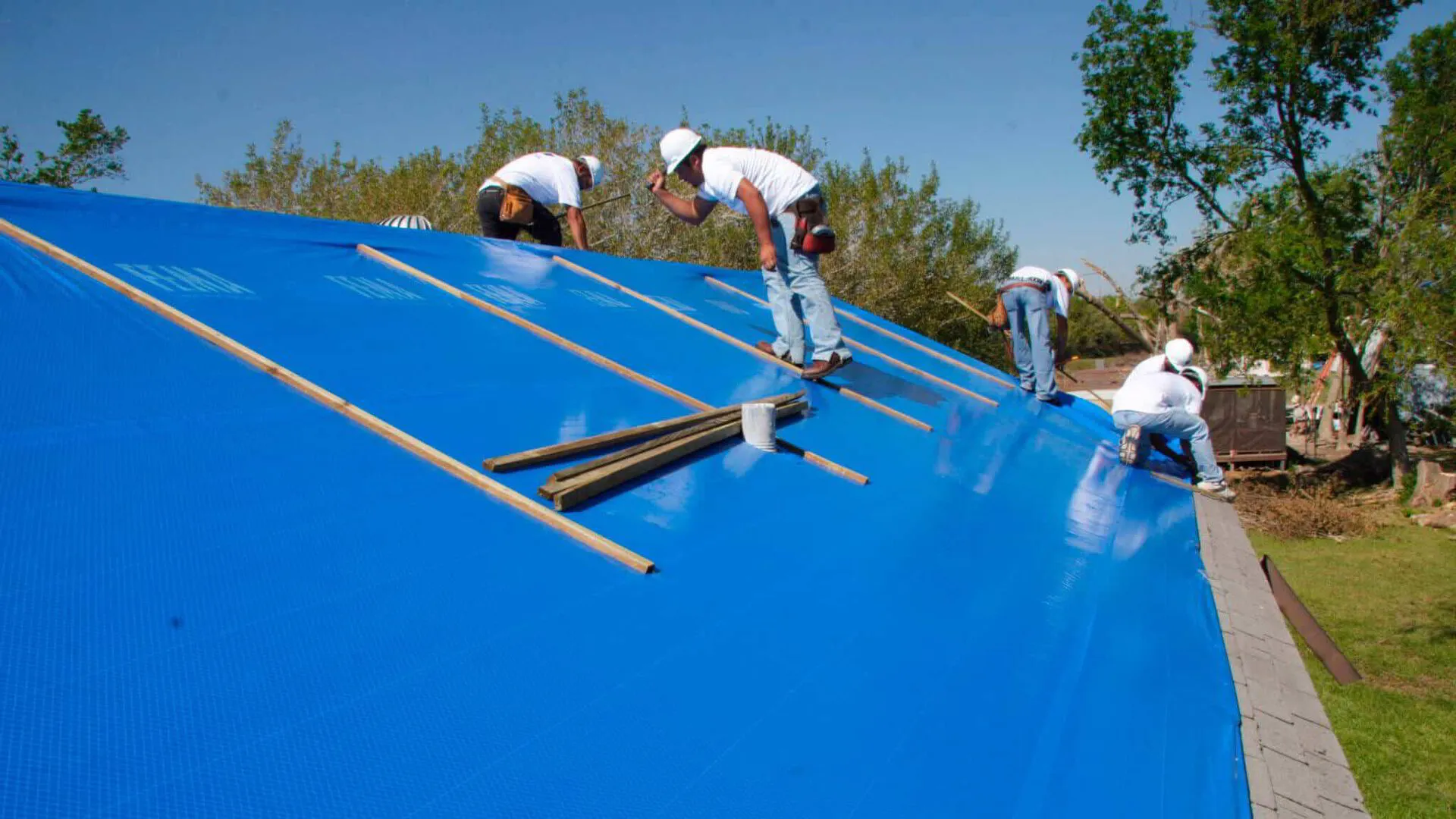
After Bluegrass thunderstorms and straight-line winds, we document the hail and wind damage, dry the building in fast, and rebuild the affected sections so one storm doesn't become months of recurring leaks.
View Scope
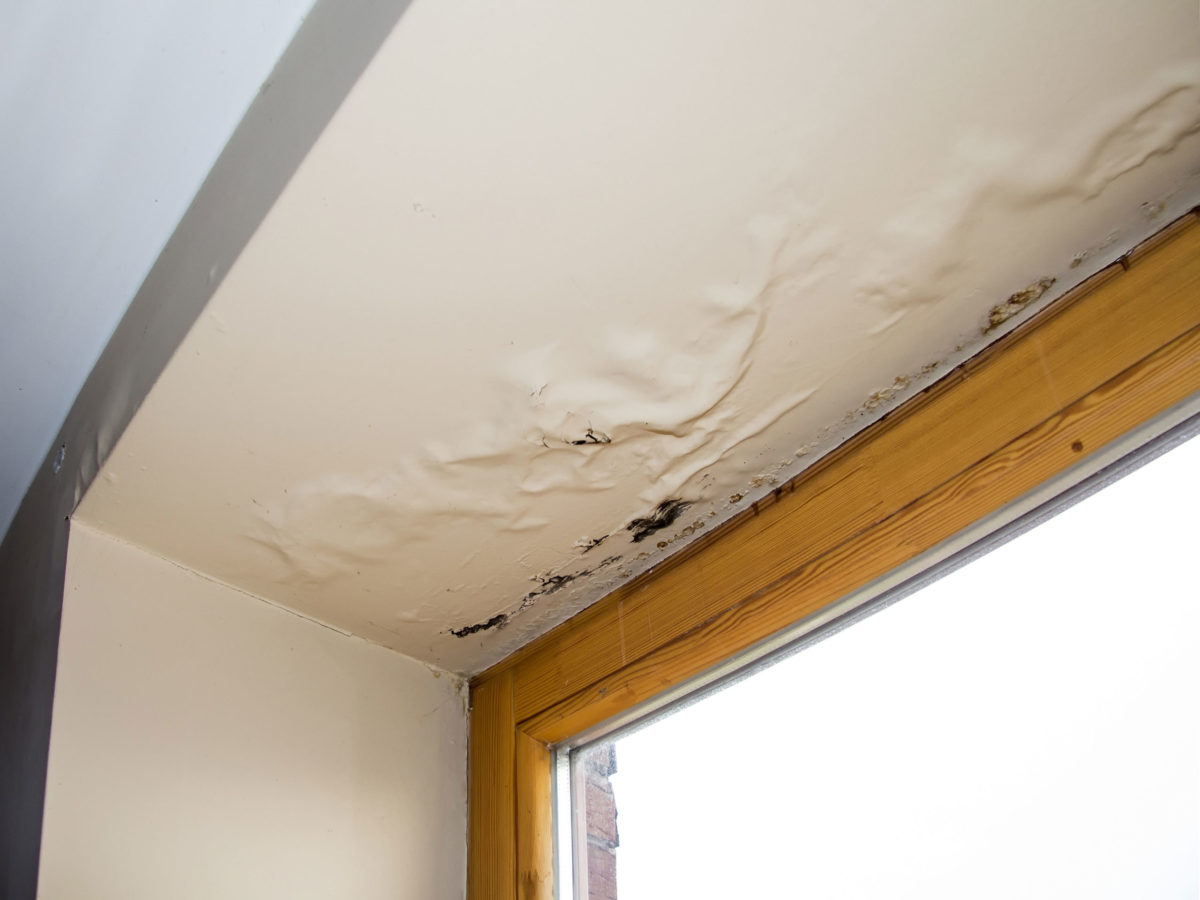
Years of Kentucky sun bake the top layer of a membrane until it cracks and loses granules, so we assess the weathering and recoat or replace the spent surface before it fails outright over occupied space.
View Scope
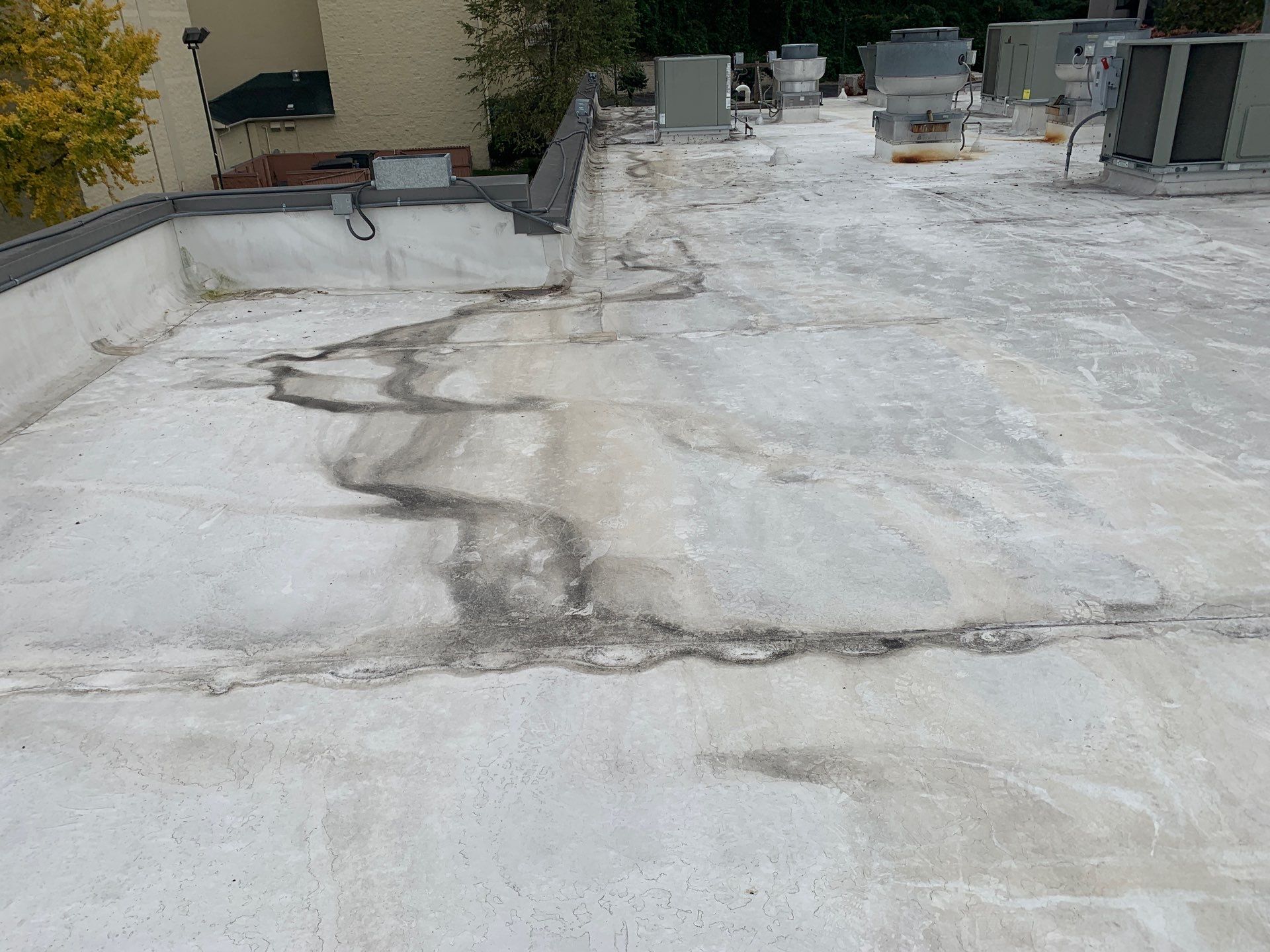
High winds peel back membrane edges and strip flashings, so after a Lexington windstorm we re-secure the lifted field, rebuild the terminations, and close the openings that let the next gust take more.
View Scope
Wind that pushes rain sideways drives water under laps and flashings a still-weather test never reveals, so we seal the edges, terminations, and wall transitions where storm-blown water actually enters Lexington roofs.
View Scope