
Data Center Roofing in Lexington, KY from Commercial Roofing of Lexington.
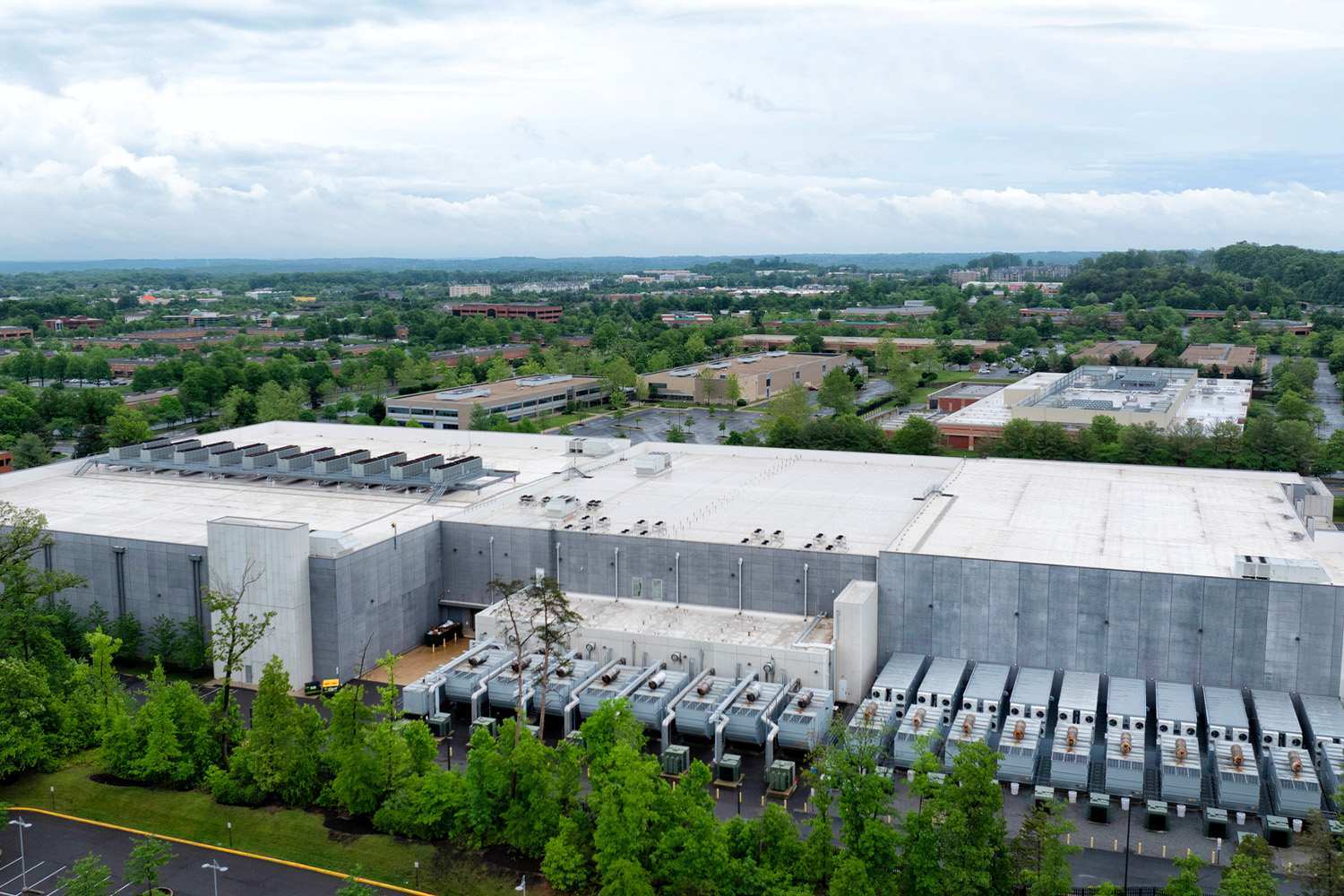
Lexington, Kentucky has developed a data center market led by the intersection of healthcare IT, advanced manufacturing technology, and enterprise computing that characterizes the Bluegrass Region's economic base. UK HealthCare, the clinical enterprise of the University of Kentucky, operates data center infrastructure that manages electronic health records, medical imaging systems, and clinical decision support tools for one of Kentucky's largest healthcare providers. Lexmark International, while best known for printing technology, maintains significant computing infrastructure in Lexington supporting its global operations. Toyota Motor Manufacturing's Kentucky facilities generate substantial operational data that requires secure, reliable computing environments. The roofing systems protecting these diverse but equally critical data environments must perform reliably through Kentucky's full four-season climate cycle.
Lexington sits in the Kentucky Bluegrass region at approximately 975 feet elevation, in a humid continental climate zone. Average annual precipitation reaches about 46 inches, distributed relatively evenly throughout the year. Summers are warm and humid with occasional heat waves pushing heat index values above 100°F. Winters are variable, with extended periods of freezing temperatures, ice storms, and snowfall that can reach 15 to 20 inches in significant winter weather years. The transition seasons, spring and fall, produce some of the most severe weather, including tornado activity, severe thunderstorms with hail, and the freeze-thaw cycling that is the primary mechanical stressor on roof membrane seams and flashing systems. A data center roof in Lexington must be designed for year-round performance across this full weather spectrum.
UK HealthCare's data center infrastructure represents one of the highest-compliance roofing environments in the Lexington market. Healthcare data centers are subject to HIPAA, Joint Commission, and CMS regulations that create documented risk management requirements for physical plant systems, including the roofing envelope. A water intrusion event that reaches a clinical data center floor can trigger HIPAA breach notification requirements if patient data systems are affected, and it can generate substantial liability exposure if system downtime affects clinical care delivery. Our approach to healthcare data centers begins with a formal risk assessment that documents the consequence of each failure mode, which directly informs specification decisions about membrane thickness, flashing redundancy, and the frequency of preventive maintenance inspections.
Lexmark International's computing infrastructure in Lexington presents a specific challenge that industrial technology companies often share: the roof above a computing environment that evolved from a manufacturing facility. Converting or upgrading roofing on buildings that were designed for manufacturing use requires verifying that the roof deck, insulation system, and drainage configuration are compatible with the tighter environmental tolerances of a data center. Manufacturing buildings often have large industrial exhaust penetrations, overhead crane infrastructure that complicates rooftop access, and deck systems that were designed for equipment loads rather than the flat, clean load distribution that optimized data center mechanical systems require. Our pre-construction assessment for Lexington industrial conversion projects includes deck condition evaluation, load rating verification, and a penetration inventory that documents every existing roof opening and its current waterproofing detail condition.
Toyota Motor Manufacturing's Kentucky facilities create a data center roofing demand that is tied to the operational technology of a just-in-time manufacturing environment. Vehicle manufacturing facilities use real-time computing systems to manage inventory, production sequencing, and quality control, systems where downtime is measured in vehicle production losses. Toyota's Kentucky plants operate on a schedule where unplanned production stops generate costs in the range of tens of thousands of dollars per minute. While the roof above an OT data center room is only one element of that risk picture, it is an element that a properly specified and maintained roofing system can remove from the risk register entirely. Our service agreements for Toyota-adjacent facilities include 24/7 emergency response commitments and documented response time guarantees.
Ice storm risk in Lexington is more significant than in most Southern cities. Kentucky's geography, in the transition zone between the cold air masses of the Great Plains and the warm, moist air of the Gulf of Mexico, makes it one of the most ice-storm-prone states in the country. A significant ice event can deposit 0.75 to 1.0 inches of radial ice on rooftop equipment and drainage systems, adding hundreds of pounds of additional load to structures designed for standard snow and wind loads. Pre-winter inspections should include verification of drain clearance, inspection of parapet cap flashings and edge metal attachment, and documentation of any areas where ice accumulation has historically caused ponding or drainage restriction. Our Lexington service contracts include ice storm response protocols with priority mobilization for data center clients.
Vapor management for Lexington data centers requires a heating-dominated vapor analysis because of Kentucky's cold winters. Unlike Deep South markets where the vapor drive is primarily outward through the roof, Lexington's winter conditions create a strong inward vapor drive, cold outdoor air contains very little moisture, while the conditioned interior of a data center contains relatively warm, humidified air. A vapor retarder positioned below the insulation boards prevents interior moisture from migrating upward into the assembly and condensing when it reaches the cold side. This is the opposite positioning from what is appropriate for Jacksonville or Jackson, which illustrates why climate-specific vapor analysis rather than generic specification standards is essential for correct roofing assembly design.
Energy efficiency for Lexington data center roofs must account for the heating-dominated climate. While cool roof membranes with high reflectance do reduce summer cooling loads, their benefit calculation in a city like Lexington must include the marginal increase in winter heating load, the reflective surface that reduces solar heat gain in summer also reduces passive solar warming in winter. The net annual energy balance is still positive for high-reflectance membranes in Lexington because summer cooling costs dominate on a per-BTU basis, but the full calculation should be presented to facility operators when making specification decisions, rather than overstating the summer-only benefit. Polyisocyanurate insulation upgrades that increase roof assembly R-value deliver year-round energy benefits without the seasonal tradeoff that reflectance-only improvements carry.
Preventive maintenance for Lexington data center roofs should be structured around four seasonal touchpoints: spring inspection for freeze-thaw damage, fall inspection before winter sets in, post-hail inspection following any severe thunderstorm event, and post-ice-storm inspection after significant icing events. Our service agreements for Lexington data center clients include all four touchpoints as standard, with infrared thermographic scanning on a biennial or triennial cycle to provide quantitative moisture mapping of the insulation layer. The combination of calendar-based and event-triggered inspections provides the comprehensive coverage that a mission-critical facility requires while avoiding the over-servicing that wastes maintenance budget unnecessarily.
Lexington's data center market will grow in proportion to the continued expansion of UK HealthCare's clinical enterprise, the evolution of Lexmark's technology business, and Toyota's manufacturing technology investment in the region. Each roofing decision made on a Lexington data center today will affect facility operations for 20 to 30 years. Our team approaches each project with that time horizon in mind, specifying assemblies that will perform reliably for the full warranty period, maintaining them proactively to maximize service life, and documenting our work in a way that supports the next generation of facility management and roofing decisions when they arrive.
Frequently Asked Questions: Data Center Roofing in Lexington
Q: What HIPAA compliance considerations apply to UK HealthCare data center roofing projects?
A: Water intrusion events that affect patient data systems may trigger HIPAA breach notification requirements, creating regulatory and liability exposure. Our pre-construction risk assessment documents the consequence of failure for each roof section relative to underlying system locations, informing specification and maintenance decisions with compliance risk in mind.
Q: How should a vapor retarder be positioned for a Lexington data center roof?
A: In Lexington's heating-dominated climate, the vapor retarder should be positioned below the insulation boards to prevent interior moisture from migrating into the cold side of the assembly during winter. This is the opposite of the correct positioning for Deep South climates and illustrates why climate-specific analysis is essential.
Q: What ice storm precautions are recommended for Lexington data center roofs?
A: Pre-winter inspections should verify drain clearance and edge metal attachment. Post-ice-storm inspections check for blocked drains, added load from accumulated ice, and flashing stress from ice expansion. Priority service response is included in our Lexington data center service agreements following significant icing events.
Q: Is a cool roof membrane the right choice for a Lexington data center?
A: High-reflectance membranes provide a net positive annual energy benefit in Lexington despite the heating season tradeoff, because summer cooling costs dominate on a per-BTU basis. However, R-value upgrades through improved insulation deliver year-round benefits without seasonal tradeoffs and should be evaluated alongside reflectance improvements.
Q: What should we verify before converting an industrial building to data center use in Lexington?
A: Deck condition and load rating for added mechanical equipment, existing insulation condition and R-value, drainage adequacy and slope verification, and a complete penetration inventory documenting current waterproofing detail condition at every existing roof opening. Industrial-to-data-center conversions require a comprehensive pre-construction assessment.