
Food Processing Cold Storage in Lexington, KY from Commercial Roofing of Lexington.
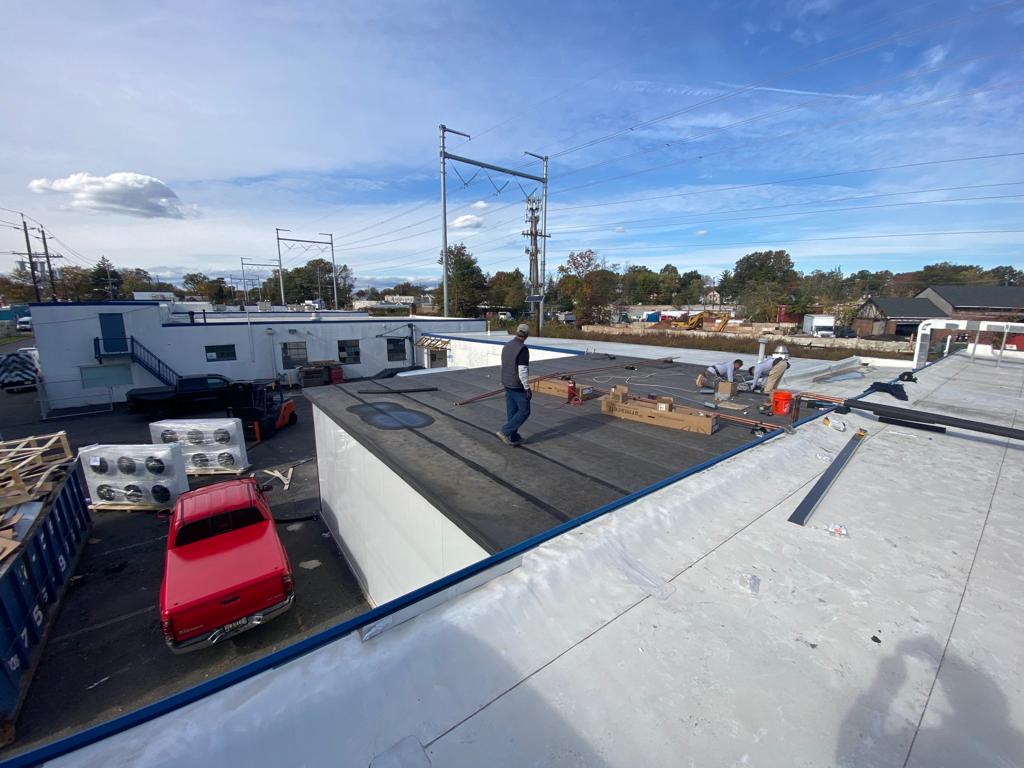
Lexington, Kentucky's food processing and cold storage roofing market is shaped by the region's unique position at the intersection of agricultural science, fermentation technology, and farm-to-table food distribution serving Central Kentucky's growing food economy. Alltech, headquartered in Nicholasville just south of Lexington, is a global leader in animal nutrition and fermentation science, operating fermentation facilities and agricultural science infrastructure in the Bluegrass Region that require precision environmental control aligned with HACCP and FDA Preventive Controls standards. The Bluegrass Farm to Table cold chain network, supporting the region's distinctive local food economy that supplies farm-fresh products to Louisville, Cincinnati, and Lexington restaurants and retailers, requires smaller-scale but technically demanding cold storage and distribution facilities. Toyota Motor Manufacturing's Kentucky facilities create a substantial food service supply chain requirement supporting thousands of production workers, with cafeteria and food service distribution infrastructure subject to the same HACCP standards as any commercial food operation.
Lexington's humid continental climate creates cold storage roofing challenges that require seasonal analysis across the full Kentucky weather spectrum. Average annual precipitation of approximately 46 inches, distributed throughout the year, means that waterproofing integrity is a year-round concern. Summer conditions with dewpoints in the upper 60s create significant outward vapor drive for facilities maintaining refrigerated interiors. Kentucky's winter cold snaps, with temperatures occasionally reaching single digits, can temporarily reverse the vapor drive, particularly for facilities with heated processing areas adjacent to refrigerated storage. The ice storm risk in Lexington is among the highest in the United States, creating both structural loading concerns from ice accumulation on drains and mechanical stress on roofing components from freeze-thaw cycling. A cold storage roof specification for Lexington must address all three climate modes: summer outward vapor drive, winter freeze-thaw stress, and ice storm preparedness.
Alltech's fermentation science operations create a specific category of food processing roofing that includes the management of high-humidity production environments and the unique chemical compatibility requirements of fermentation facilities. Fermentation processes generate CO2 and organic compound vapors that can create interior humidity levels above 80 percent relative humidity in production areas. The roof assembly above an active fermentation facility must manage this elevated interior humidity without allowing moisture condensation within the insulation layer, a requirement that calls for a more aggressive vapor retarder specification than most food processing applications and careful attention to the compatibility of roofing adhesives and sealants with organic fermentation compound vapors. Our specifications for fermentation facility roofing include both the vapor management design and the material compatibility analysis that these environments require.
HACCP compliance for the Bluegrass Region cold chain network involves a distributed set of smaller facilities, farm-level cold storage, aggregation points, distribution hubs, and retail distribution staging areas, that collectively form the infrastructure supporting Kentucky's farm-to-table food economy. These facilities are typically smaller in scale than the large corporate distribution centers that anchor urban food distribution markets, but their HACCP compliance obligations are proportionally the same. FDA FSMA's Preventive Controls for Human Food rule applies to all sizes of food holding and distribution operations meeting the applicable exemption thresholds, and the physical plant documentation requirements, including roof maintenance records, apply regardless of facility size. Our service programs are scalable to the smaller facilities that characterize the Bluegrass Region cold chain, providing HACCP-compliant documentation support that these operators may not be able to generate internally.
Toyota Motor Manufacturing's Kentucky food service supply chain represents a lean manufacturing context for food service distribution. Toyota's kaizen philosophy extends to facility maintenance, the company's maintenance management approach is process-driven, documentation-intensive, and oriented toward prevention rather than reactive repair. A roofing contractor serving Toyota's Kentucky food service infrastructure must demonstrate the same commitment to process discipline and documentation that Toyota's own operations embody. Our service protocols for Toyota-affiliated facilities in Lexington include the structured inspection reports, measurable maintenance metrics, and continuous improvement orientation that Toyota's facility management standards require.
Ice storm preparedness for Lexington cold storage facilities requires a level of attention that distinguishes Kentucky from most other southeastern food processing markets. Lexington's ice storm frequency makes pre-winter drain inspection and overflow scupper verification mandatory rather than optional. A cold storage building whose drains ice over during a winter storm event faces the combination of ponding water load and compromised thermal performance during the extended cold period that typically follows a significant icing event, a combination that can stress both the structural system and the refrigeration system simultaneously. Our pre-winter service visits for Lexington cold storage clients include drain cleaning and flow verification, overflow scupper clearing, and edge metal inspection for any frost-heave damage from the previous winter that could compromise water management performance in the coming season.
Vapor management for Lexington cold storage facilities benefits from the heating-dominated climate analysis that applies to most Kentucky cold storage applications. The dominant vapor drive for a Lexington frozen storage facility is outward, from the warmer exterior toward the cold interior, during the six to seven months of the year when outdoor temperatures exceed the interior setpoint. During this period, the vapor retarder below the insulation layer is the critical protection element. During winter cold snaps when outdoor temperatures drop below 0°F, the thermal dynamics shift and a different condensation risk pattern applies, one that may require a secondary protection element at the membrane level rather than relying solely on the primary vapor retarder. Our specifications for Lexington facilities with this bidirectional seasonal vapor challenge include an ASHRAE 160-based analysis that confirms the assembly performs correctly under both seasonal conditions.
Energy efficiency for Lexington food processing roofs must account for both heating season and cooling season energy impacts in a way that reflects Kentucky's balanced climate. Cool roof membranes with high reflectance reduce summer cooling load on refrigeration systems, while improved insulation R-value reduces heat transfer year-round. Kentucky Utilities and LG&E's commercial energy efficiency incentive programs recognize both measures, and a re-roofing project that combines insulation upgrade with reflective membrane installation can generate incentives offsetting a meaningful portion of the project cost. Our project documentation for Lexington food processing facilities includes the energy modeling data and manufacturer certifications needed for utility incentive applications.
Rooftop refrigeration equipment for Lexington food processing and cold storage facilities is often sized for Kentucky's cooling-dominated summer load profile, which means condensing equipment may be oversized for winter operation. This seasonal variation in condensing equipment operation creates rooftop load and vibration patterns that change throughout the year, and rooftop equipment supports and base flashings must be designed for the full range of operating conditions rather than just the peak summer scenario. Our equipment support specifications for Lexington facilities account for thermal expansion and contraction of support frames across Lexington's full temperature range, and our vibration isolation details are designed for the variation in fan and compressor vibration that accompanies the equipment's seasonal modulation patterns.
Lexington's food processing and cold storage roofing market reflects the distinctive character of Kentucky's Bluegrass agricultural economy, fermentation science leadership from Alltech, a farm-to-table food culture that demands cold chain infrastructure at every scale, Toyota's lean manufacturing food service requirements, and the full spectrum of Kentucky's demanding climate. Our team's combination of fermentation facility roofing expertise, HACCP compliance documentation support, ice storm preparedness protocols, and Kentucky utility incentive knowledge positions us to serve the full range of Lexington's food industry roofing needs with the technical depth and regulatory awareness these operations require.
Frequently Asked Questions: Food Processing and Cold Storage Roofing in Lexington
Q: What special roofing considerations apply to fermentation facilities like those operated by Alltech?
A: Fermentation operations generate CO2 and organic vapors that elevate interior humidity above standard processing levels, requiring aggressive vapor retarder specifications. Roofing adhesives and sealants must be chemically compatible with fermentation vapors. Material compatibility analysis is a required pre-specification step for fermentation facility roofing projects.
Q: How does FSMA apply to smaller Bluegrass Region cold chain facilities?
A: FDA's Preventive Controls rule applies to food holding and distribution operations meeting applicable size and activity thresholds, regardless of facility scale. Physical plant documentation, including roof maintenance records, is required under the environmental monitoring and control program. Our service programs are scalable to smaller regional cold chain facilities.
Q: What ice storm preparedness is required for Lexington cold storage roofs?
A: Pre-winter (by October 31) drain cleaning, overflow scupper verification, and edge metal inspection are mandatory. Ice storm-blocked drains on a cold storage building create simultaneous structural loading and thermal performance stress during extended cold periods following ice events. Post-ice-storm inspection should occur within 24 hours of significant icing.
Q: Do Kentucky Utilities or LG&E offer incentives for food processing roof upgrades in Lexington?
A: Both utilities offer commercial energy efficiency incentive programs recognizing insulation R-value upgrades and reflective cool roof membranes. Combined re-roofing projects that upgrade insulation and install reflective membrane can generate incentives offsetting a meaningful project cost fraction. Our documentation packages support incentive applications for qualifying Lexington facilities.
Q: How should vibration from rooftop refrigeration equipment be managed to protect Lexington cold storage roofs?
A: Equipment support frames must be specified for thermal expansion across Lexington's full temperature range (-10°F to 100°F+). Vibration isolation pads prevent transmitted vibration from fatiguing the membrane below condenser fan arrays. Base flashings must be detailed to accommodate the movement that seasonal thermal cycling produces in support frame dimensions.