
Restaurant Roofing in Lexington, KY from Commercial Roofing of Lexington.
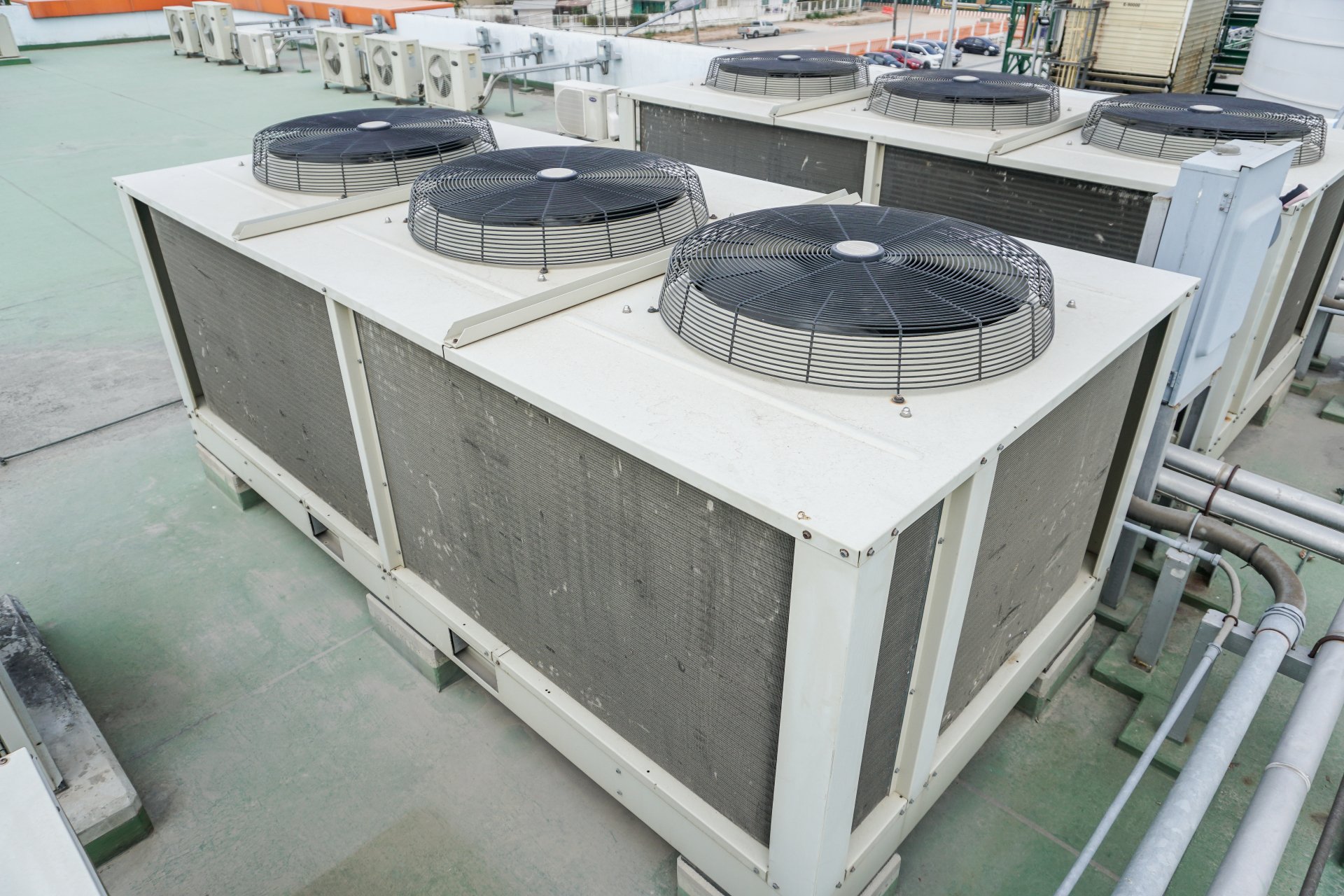
Cracker Barrel operates one of its busiest Kentucky locations off Man O' War Boulevard in Lexington, and any roofer who has worked on a high-volume family restaurant campus knows that the challenges start the moment you climb onto the roof and see the exhaust plenum from the commercial kitchen. Grease-laden vapors migrate out of the building through a complex network of Type I hood exhaust, make-up air intakes, HVAC equipment, and roof penetrations, and every one of those elements affects the roofing system in ways that a general commercial roofer unfamiliar with food service facilities will underestimate.
Grease contamination is the primary roofing failure mechanism on restaurant properties in Lexington and across the country. Grease that escapes through exhaust fans or improperly sealed hood connections settles on the membrane in the vicinity of the kitchen exhaust stack and begins chemically attacking the membrane. On standard EPDM, grease causes swelling and loss of tensile strength. On TPO and PVC, grease contamination is less chemically aggressive but mechanically degrades the surface, making subsequent heat-welded repairs impossible and voiding the manufacturer warranty. A roofing system on a Cracker Barrel or any comparable food service location must be maintained with grease contamination specifically in mind.
Kitchen exhaust systems on Lexington restaurant properties are governed by IMC Chapter 5 and NFPA 96 requirements that specify Type I hood construction, exhaust capacity, and the fire suppression system integration at the hood and duct. The roofing contractor is not typically responsible for IMC compliance, but the roofing scope must coordinate with the mechanical contractor on all exhaust penetration locations, exhaust fan curb specifications, and grease drain management to ensure that the roofing system is compatible with the compliant exhaust system design.
Type I hood exhaust on a Lexington restaurant produces grease-laden vapor that exits the building at roof level. The area within five to ten feet of the exhaust termination point is the highest-risk zone for grease contamination and must be protected with a grease-resistant membrane or a sacrificial grease trap system. Several major membrane manufacturers offer grease-resistant TPO or PVC products specifically designed for kitchen exhaust zones; these products maintain their chemical resistance and heat-weld seam compatibility in the contaminated zone and should be specified as the standard material in that area.
HVAC cycling creates thermal stress on restaurant roof membranes that is more severe than on office or retail buildings of comparable size. A full-service restaurant like Cracker Barrel runs its kitchen ventilation equipment continuously during business hours, creating significant airflow through the roof assembly from make-up air intakes. This airflow creates pressure differentials at roof penetrations, and if those penetrations are not perfectly sealed, infiltration occurs at the penetration flashing rather than through the membrane itself. Penetration management around HVAC and exhaust equipment is where restaurant roofing projects rise or fall in terms of long-term performance.
Fire suppression system integration at the Type I hood requires coordination between the roofing contractor and the fire protection contractor. The suppression system line that runs from the hood to the rooftop suppression agent storage must penetrate the roof membrane, and that penetration is one of the most important and most often improperly flashed on a restaurant property. A suppression line that runs through a pitch pocket filled with standard roofing sealant, rather than a pre-manufactured, fire-rated penetration assembly, is both a roofing failure risk and a life safety concern.
Occupied operations on a Lexington restaurant are constrained in a way that storage or industrial facilities are not: food service health code compliance means that roof access during food preparation or service hours must not create conditions where construction debris, water, or chemical contamination can reach food preparation areas through HVAC or exhaust penetrations. Roofing work directly above kitchen areas should be limited to off-hours, and HVAC systems serving the kitchen should not be opened or disturbed during operating hours. These requirements should be written into the contractor's scope and confirmed with the restaurant operator before project scheduling begins.
HVAC equipment density on a Lexington full-service restaurant roof is typically much higher than on comparably sized retail or office buildings. Package units for dining room climate control, dedicated kitchen exhaust fans, make-up air handlers, refrigeration condensers, and utility HVAC for back-of-house areas may all be present. The roofing contractor must take a complete inventory of all rooftop equipment before developing penetration count estimates and labor budgets, restaurant roofing projects routinely come in over budget when the penetration count is not properly assessed in advance.
Preventive maintenance on Lexington restaurant properties should include semi-annual inspections focused specifically on the kitchen exhaust zone, where grease accumulation can progress from nuisance to active membrane damage in three to six months. A maintenance program that includes grease cleanup and inspection at the exhaust zone every six months will identify problems before they become failures. Annual inspection of all HVAC curb flashings and penetration seals rounds out the minimum maintenance standard for a full-service restaurant property.
- What membrane should be used near a kitchen exhaust stack on a Lexington restaurant?
- Specify a grease-resistant TPO or PVC membrane product in the zone within ten feet of any kitchen exhaust termination. Several major membrane manufacturers offer these products specifically. Standard membrane in this zone will be chemically attacked by grease within three to five years and cannot be heat-welded for repair after contamination occurs.
- How often should grease accumulation near exhaust fans be cleaned?
- At minimum every six months, and more frequently if the restaurant operates two full service shifts daily. Grease accumulation that is visible on the membrane surface has already begun chemical degradation in the affected area, cleaning at the nuisance accumulation stage prevents membrane damage.
- How does HVAC cycling affect restaurant roof penetration performance?
- Continuous HVAC operation during business hours creates pressure differentials at roof penetrations that drive infiltration through imperfectly sealed flashings. Restaurant penetration flashings should be sealed with closed-cell foam backing and appropriate sealant at every boot and curb connection to resist this pressure-driven infiltration mode.
- Can roofing work proceed on a Lexington restaurant during operating hours?
- Work directly above the kitchen must be limited to off-hours to prevent contamination of food preparation areas through open penetrations or displaced HVAC connections. Dining room roof sections can generally be worked during normal business hours with proper debris management. Coordinate the specific schedule with the restaurant operator before project start.
- What is the most commonly improperly flashed penetration on a restaurant property?
- The fire suppression system line running through the roof membrane. This penetration is frequently installed using a standard pitch pocket with roofing sealant rather than a properly engineered, fire-rated penetration assembly. The correct detail uses a pre-manufactured penetration assembly that accommodates thermal movement and provides both weathertightness and fire-rating continuity.