
Church Roofing in Lexington, KY from Commercial Roofing of Lexington.
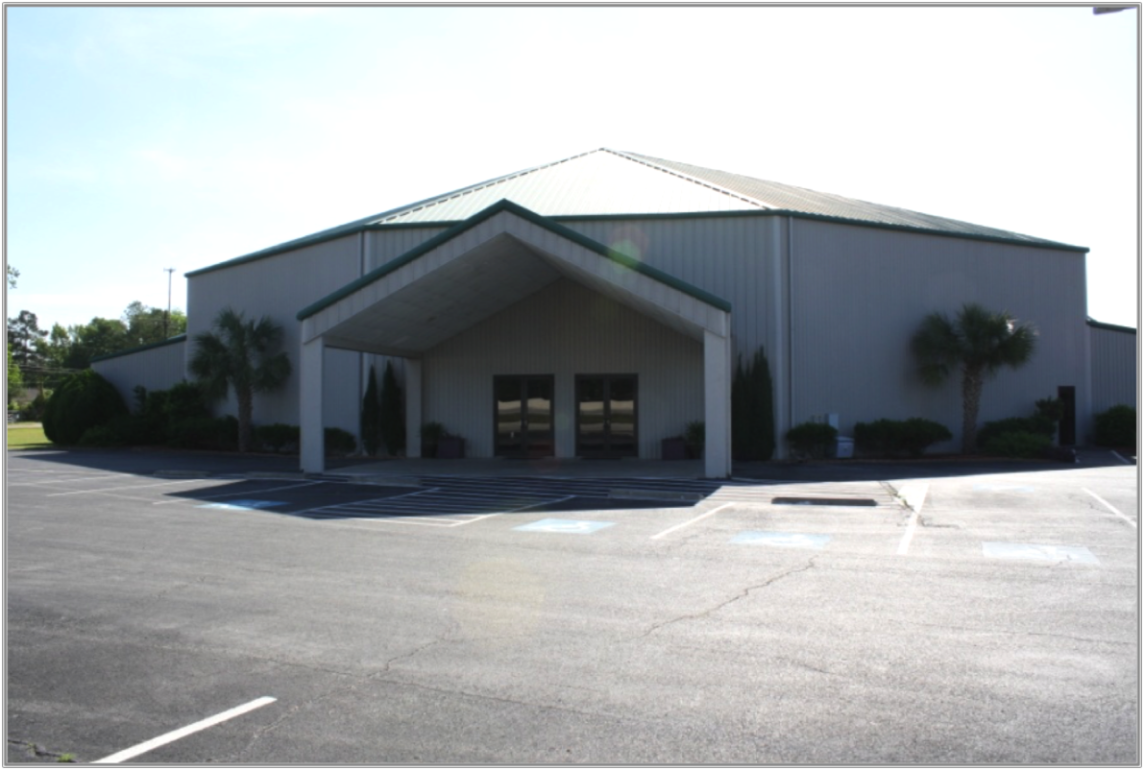
Consolidated Baptist Church on Georgetown Street is one of Lexington's most recognized congregations, drawing hundreds of worshippers each Sunday under a clear-span roof that spans more than sixty feet without a single interior column. That kind of open architectural space is exactly what makes commercial roofing for religious facilities in Lexington, KY a specialized discipline, the structural demands, the aesthetic expectations, and the community stakes are all distinctly different from a standard flat-roof office project.
Clear-span roofs require meticulous attention to load distribution. Unlike conventional framed buildings where interior columns help carry the weight of the roofing system, a sanctuary roof transfers all loads to the perimeter bearing walls or steel moment frames. That means every roofing material choice, membrane thickness, insulation R-value, ballast versus adhered system, must be evaluated against the structural engineer's loading calculations for Lexington's climate, which includes occasional ice accumulation and periodic heavy spring rainfall.
Kentucky's transitional climate presents a unique challenge for church roofing. Lexington experiences freeze-thaw cycles throughout winter and early spring, which stress any lap joint or seam that retains standing water. A properly designed tapered insulation system with positive drainage is essential on flat or low-slope sections of a church roof. We routinely specify minimum one-quarter inch per foot slope-to-drain across all flat membrane areas on Fayette County religious buildings.
Capital campaigns fund many of the larger roofing replacements at Lexington congregations. When a church board authorizes a $400,000 to $800,000 roof replacement as part of a broader facilities initiative, they want a contractor who understands how to phase the work around the fund-raising cycle, produce detailed specifications for donor presentations, and provide the warranty documentation that satisfies the building committee's due diligence requirements. We have supported several local congregations through exactly this process.
Scheduling is almost always constrained by the liturgical calendar. Christmas Eve services, Easter weekend, and major community events create hard blackout windows when roofing work cannot disrupt building access. The practical window for most Lexington church roofing projects runs from late May through early September, when summer programming is lighter and the congregation is more tolerant of temporary noise and crew presence during weekday hours.
Committee decision-making is a reality of church contracting that differs sharply from a corporate facilities department. Proposals may be reviewed by a properties committee, approved by deacons, ratified by a full congregation vote, and then revisited when a new trustee raises questions about the bid three weeks later. We come prepared with written specifications, material data sheets, reference lists, and manufacturer warranty summaries so that every stakeholder at every stage of the approval process has the information they need.
Architectural features common to Lexington's older brick churches, cupolas, bell towers, stained-glass dormers, decorative cornices, require careful flashing and counter-flashing detailing that goes well beyond standard commercial practice. We use custom-formed sheet metal at every penetration and transition, sealing each element with compatible primers and sealants rated for long-term UV exposure. Mismatched materials at these transitions are the single most common cause of premature church roof failure in central Kentucky.
Many congregations ask about cool-roof options in response to rising energy costs. A white TPO or light-gray modified bitumen cap sheet can meaningfully reduce cooling loads on a south-facing nave roof during Lexington's humid summers. Combined with added polyiso insulation, these upgrades often reduce HVAC runtime enough to generate payback within eight to twelve years, a useful data point for capital campaign presentations and stewardship discussions.
We provide full written warranties on both labor and materials, typically backed by a manufacturer's 20-year NDL guarantee on qualifying assemblies. For Lexington churches working through a capital campaign or a board approval process, that warranty documentation is an important part of the deliverable, proof to congregation leadership that the investment is protected for the long term and that the contractor stands behind every seam and flashing detail on the project.
- How long does a typical church roof replacement take in Lexington?
- Most single-story sanctuary roofs in the 10,000 to 25,000 square foot range take two to four weeks depending on tear-off requirements, deck condition, and weather. We schedule work to avoid Sunday services and major mid-week events throughout the project.
- What roofing systems work best on Lexington's clear-span sanctuary roofs?
- Thermoplastic single-ply membranes, TPO or PVC, over polyiso insulation are the most common choice for flat and low-slope clear-span roofs. For steeper architectural sections, standing-seam metal or architectural shingles are often used to match the building's aesthetic.
- Can roofing work be phased around our capital campaign timeline?
- Yes. We regularly work with church building committees to align project start dates, draw schedules, and completion milestones with fund-raising cycles and board approval timelines.
- How does freeze-thaw cycling affect church roofs in central Kentucky?
- Repeated freeze-thaw cycles stress lap seams and any low area where water ponds. Tapered insulation and properly designed internal drains or scuppers eliminate ponding and dramatically extend membrane life.
- Do you carry insurance and licensing required for Kentucky commercial roofing?
- Yes. We carry general liability, workers' compensation, and commercial auto coverage, and hold all required Kentucky contractor licenses. Certificates of insurance naming your congregation as additionally insured are provided at contract signing.