
Food Processing Facility Roofing in Lexington, KY from Commercial Roofing of Lexington.
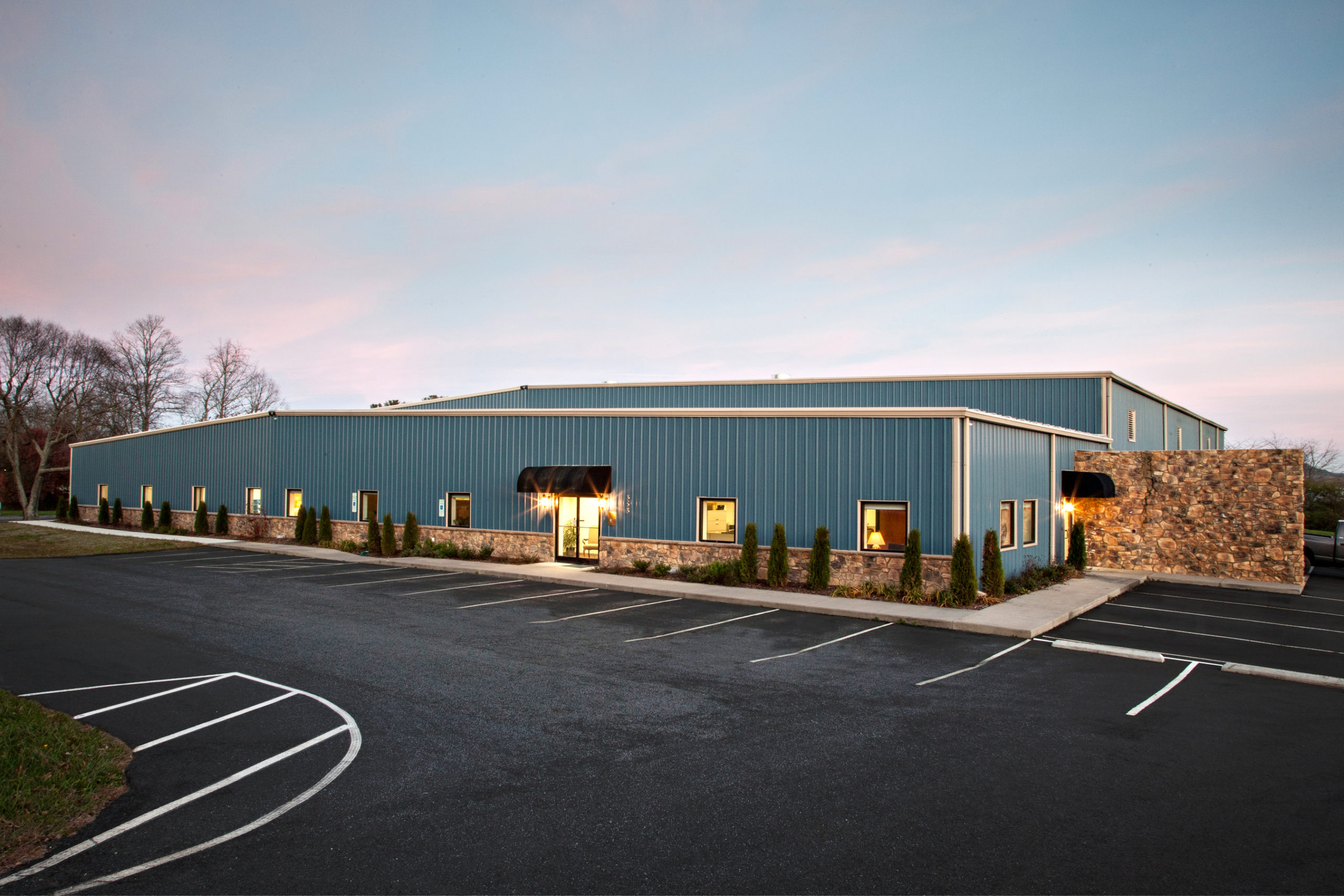
A food plant roof fights a war on two fronts. From below, daily washdown and process steam push warm, saturated air up against the deck. From above, refrigeration units, condensers, and process equipment pile concentrated loads onto the structure and punch the membrane full of penetrations. Get either side wrong and you get hidden moisture, deck corrosion, or a leak over a production line. Lexington and the surrounding Bluegrass carry a steady base of this work, from beverage and distillery production to dairy, bakery, and protein processors clustered near the I-75 freight corridor, the Coldstream Research Campus off Newtown Pike, and the Blue Sky industrial area east of town.
Washdown humidity pushing up from the floor
Sanitation in a food plant means hot water, steam, and high humidity on a daily cycle, and a lot of that moisture goes straight up. When warm, wet interior air reaches a cold deck or a cold spot in the insulation, it condenses inside the assembly. The membrane on top can look perfect while the cover board softens, fasteners rust, and insulation wets out underneath. We treat the vapor retarder as a design element, not a box to check, positioning and sealing it for the interior humidity load these buildings actually run rather than assuming a dry occupancy.
Why we core before we recommend
Interior-driven moisture does not show up as a drip in a clean spot on the floor. It shows up years later as a soft deck or a failed insulation field with no obvious surface breach. Before we put a number on a repair or a reroof, we core the assembly and read moisture in the insulation, because recovering a new membrane over a wet, vapor-loaded assembly traps the problem and accelerates it. On a food plant, that means a condition survey first and a recommendation second.
Refrigeration and rooftop loads coming down from above
The other half of the problem sits on top of the roof. Refrigeration condensers, blast-freeze equipment, large air handlers, and process units concentrate weight and vibration on the structure and surround themselves with curbs, pipe penetrations, and conduit. We confirm deck capacity before we add insulation thickness or reset equipment, detail each curb and penetration individually for the constant condensate that drips off cooling equipment, and pay close attention to drainage around heavy units, where ponding adds both structural load and a steady source of leaks.
Roofs over freezers and coolers
The assembly above a freezer room, chill room, or blast-freeze cell has to keep the cold chain continuous through the roof itself. If the insulation and vapor control are not matched to the operating temperature and the direction of vapor drive for a humid Kentucky climate, you get condensation and frost inside the assembly that corrodes the deck and destroys insulation with no external leak ever appearing. We design tapered insulation over refrigerated bays around the actual operating temperatures so water moves to drains and the cold chain is not compromised by ponding or a thermal short.
Materials that belong over food
Not every commercial roofing product is appropriate over a food production environment. USDA- and FDA-regulated areas put expectations on what goes above a food-contact zone, and that extends past the membrane to the adhesives, primers, and sealants in the flashing details, many of which carry solvents that have no place over open product. White TPO and PVC single-ply are generally suitable above enclosed processing space, but we confirm the specific products and methods against the plant's food-safety plan before specifying, and reflective white membrane has the side benefit of easing the cooling load these buildings carry through a Lexington summer.
Working around sanitation, not production
Food plants in this market commonly run two or three shifts with a single weekly sanitation window as the only time the floor is quiet, and that window, not our calendar, governs the schedule. Any work that opens the envelope above an active line goes into that window, with the QA manager confirming the floor below is cleaned and protected before we start. We phase the project around the production and sanitation schedule, keep the deck over any production area from ever sitting open to weather, and hold a verified dry-in at the end of each work period. Our food-plant closeout includes condition documentation and repair records a QA manager can put in front of a USDA or FDA inspector, since roof condition is a standard inspection item.
Questions From Lexington Food & Beverage Plants
My roof looks fine but I have soft spots and corrosion on the deck. Why?
That is usually washdown and process humidity condensing inside the assembly, not a surface leak. Warm, wet air from the floor hits a cold deck or cold insulation and wets the assembly from within. We core the roof to map how far the moisture has spread, then recommend repair or replacement with a vapor strategy matched to your actual interior humidity.
Are all roofing materials okay to use over food production?
No. USDA- and FDA-regulated areas restrict what goes above a food-contact zone, including adhesives, primers, and sealants, not just the membrane. White TPO and PVC are generally suitable over enclosed processing, but we confirm the specific products and methods against your food-safety plan before specifying anything.
How do you roof over freezers and coolers?
The assembly has to keep the cold chain continuous through the roof. We design tapered insulation and vapor control around the room's actual operating temperature and the vapor-drive direction for our humid climate, so you do not get hidden frost or condensation corroding the deck. Ponding above a freezer adds thermal load, so positive drainage is part of the design.
Can the structure carry our refrigeration and process equipment?
We confirm deck capacity before adding insulation thickness or resetting rooftop units, and we detail every curb and penetration for the condensate that drips off cooling equipment. Drainage around heavy units gets particular attention, since ponding there adds both load and a steady leak source.
When can you actually work without stopping production?
We build the schedule around your weekly sanitation window and any planned shutdowns. Work that opens the envelope over an active line happens in that window with the QA manager confirming the floor is clean and protected first. The deck over a production area never sits open to weather, and we confirm a watertight dry-in before each period ends.